The pillow-top comeback: why layered comfort mattresses are trending again
In the evolving world of sleep technology, trends tend to move in cycles. A decade ago, the mattress market was dominated by minimal, streamlined “bed-in-a-box” foam mattresses that promised single-density simplicity. However, as consumers experienced the heat retention and accelerated central dipping associated with basic synthetic foam blocks, bedroom preferences shifted dramatically back toward multi-layered, plush comfort engineering.
At the center of this modern resurgence is the pillow-top mattress. Once viewed as a heavy, traditional luxury reserved exclusively for five-star hotel suites, the pillow-top design has made a major comeback in residential master bedrooms across the UK.
By separating the surface cushioning layer from the deep structural support system, pillow-top mattresses offer a unique balance: immediate surface softness that cradles sensitive pressure points, combined with underlying pocket spring resilience that keeps the spine properly aligned throughout the night.
The Architecture of a Modern Pillow Top
To understand why layered comfort mattresses are trending among discerning UK buyers, it helps to analyze how an integrated pillow top differs from traditional mattress designs and separate toppers.
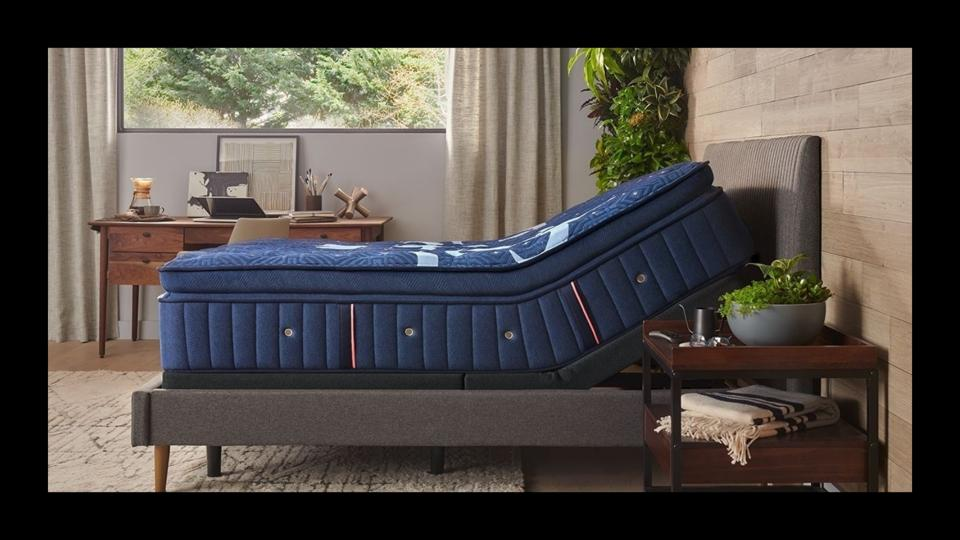
A traditional mattress relies on upholstery layers compressed directly beneath the main outer ticking. A pillow-top mattress, by contrast, features an additional, distinct cushion layer sewn directly onto the upper surface of the mattress core.
This dual-tier architecture serves two distinct physiological and mechanical purposes:
[ Pillow-Top Structural Architecture ]
│
┌───────────────────────────┴───────────────────────────┐
▼ ▼
[ Upper Pillow-Top Layer ] [ Core Spring Matrix ]
├── Plush natural fillings (Wool/Cotton) ├── Multi-turn pocket springs
├── Immediate pressure relief ├── Deep spinal alignment
└── Surface contouring without sinking └── Perimeter edge support
- Independent Surface Contouring: The upper pillow-top cushion absorbs localized pressure from heavy joint areas—specifically the shoulders, hips, and pelvic girdle—allowing side and back sleepers to rest comfortably without restricted blood circulation.
- Unrestricted Spring Response: Because the surface cushioning sits above the primary structural casing, the high-count pocket springs in the core unit operate with full dynamic range, pushing back against body weight to maintain a neutral spinal alignment.
- Elimination of “Topper Shift”: Separate mattress toppers often slide, bunch up, or shift during the night. An integrated pillow top is physically stitched and tufted into the mattress structure, ensuring uniform cushioning across every inch of the sleeping surface.
Evaluating the Benchmark: The Hypnos Aurora Deluxe Pillow Top
When examining how British bedmakers execute high-specification pillow-top engineering, heritage manufacturer Hypnos Beds offers an instructive benchmark. Renowned for supplying luxury contract beds to major hospitality brands like Premier Inn, Hypnos adapted its commercial comfort layer expertise for high-end domestic collections.
Analyzing the Hypnos Aurora Deluxe Pillow Top reviewed demonstrates how natural material density and adaptive spring mechanics combine to solve common pillow-top challenges like heat retention and surface shifting.
Core Specifications and Materials
- ReActivePro™ Pocket Spring System: Built around an adaptive 6-turn pocket spring matrix. Each spring moves independently, responding to body contours while eliminating motion transfer between partners.
- Natural Fiber Upholstery: Packed with generous layers of 100% British wool, natural cotton, and breathable eTronic™ fibers. Wool acts as a natural climate control mechanism, wicking away moisture to keep the sleeping surface cool in summer and warm in winter.
- Triple-Edge Protection: Features higher-gauge perimeter springs combined with genuine rows of side-stitching along the outer border wall. This prevents edge sagging and ensures full edge-to-edge sleeping surface usage.
- Chemical-Free Ticking: Encased in a soft, unbleached viscose cover that achieves full British fire safety compliance (CRIB 5 / BS 7177) without applying synthetic chemical flame retardant sprays.
Pillow Top vs. Traditional Turnable Mattresses: Performance Comparison
While pillow-top mattresses offer exceptional surface luxury, buyers must understand the operational trade-offs compared to traditional double-sided beds:
| Feature / Criteria | Integrated Pillow-Top Mattress | Traditional Double-Sided Mattress |
| Immediate Surface Feel | Plush & Cushioning: Cloud-like contouring right out of the box. | Structured & Firm: Requires a short break-in period for fillings to settle. |
| Pressure Relief | Exceptional: Ideal for side sleepers suffering from hip or shoulder pain. | Good to Excellent: Depends on natural filling depth and tufting tension. |
| Maintenance Requirements | Low Effort (No-Turn): Requires rotation head-to-toe; never flipped upside down. | High Effort (Seasonal Turn): Must be flipped upside down and rotated regularly. |
| Overall Weight & Handling | Easier long-term handling since user never lifts mattress to flip it. | Requires two people to lift and flip heavy 50kg+ natural fill models. |
| Lifespan Expectations | 8 – 10 Years: Single-sided surface wear concentrated on upper cushion. | 10 – 12+ Years: Two sleeping surfaces distribute filling compression evenly. |
Why “No-Turn” Convenience Appeals to Modern Homeowners
Beyond pressure relief, a major driver behind the pillow-top trend is practical maintenance. Modern luxury mattresses containing natural British wool and heavy steel springs can weigh anywhere from 45 kg to over 65 kg in King and Super King sizes.
For many homeowners—particularly older adults or individuals with back sensitivity—flipping a 50kg double-sided mattress every three months represents a significant physical chore.
Pillow-top mattresses are specifically engineered as “No-Turn” models. Because the cushion layer is built permanently on top, owners never need to flip the heavy mattress upside down. Maintenance is simplified to periodic end-to-end rotation (turning head-to-foot), which distributes filling settlement evenly while eliminating the strain of heavy lifting.
Key Buyer Tips for Choosing a Quality Pillow Top
To ensure a pillow-top mattress delivers long-term comfort and structural integrity, procurement experts recommend checking three essential features before purchasing:
- Verify Natural Fillings Over Foam: Ensure the pillow top contains breathable natural fibers (such as wool, silk, or cotton) rather than low-density synthetic polyurethane foam, which can soften permanently and retain body heat.
- Check Mattress Depth Specs: Luxury pillow-top models are significantly deeper than standard beds, often measuring between 30cm and 36cm deep. Measure your bed frame clearance and purchase “extra deep” fitted sheets (38cm–40cm depth) to prevent sheet corners from popping off.
- Ensure Proper Base Support: Pair your pillow-top mattress with a supportive divan base or a slatted frame with gap spacing no wider than 7.5 cm (3 inches) to protect the underlying pocket spring core from premature sagging.
Conclusion: The Ultimate Balance of Plush Comfort and Ease
The comeback of the pillow-top mattress highlights a growing consumer demand for beds that prioritize health, pressure relief, and operational convenience. By pairing adaptive pocket spring core support with a plush, natural wool comfort cushion, models like the Hypnos Aurora Deluxe Pillow Top prove that you don’t need to choose between firm spinal alignment and cloud-like surface luxury.