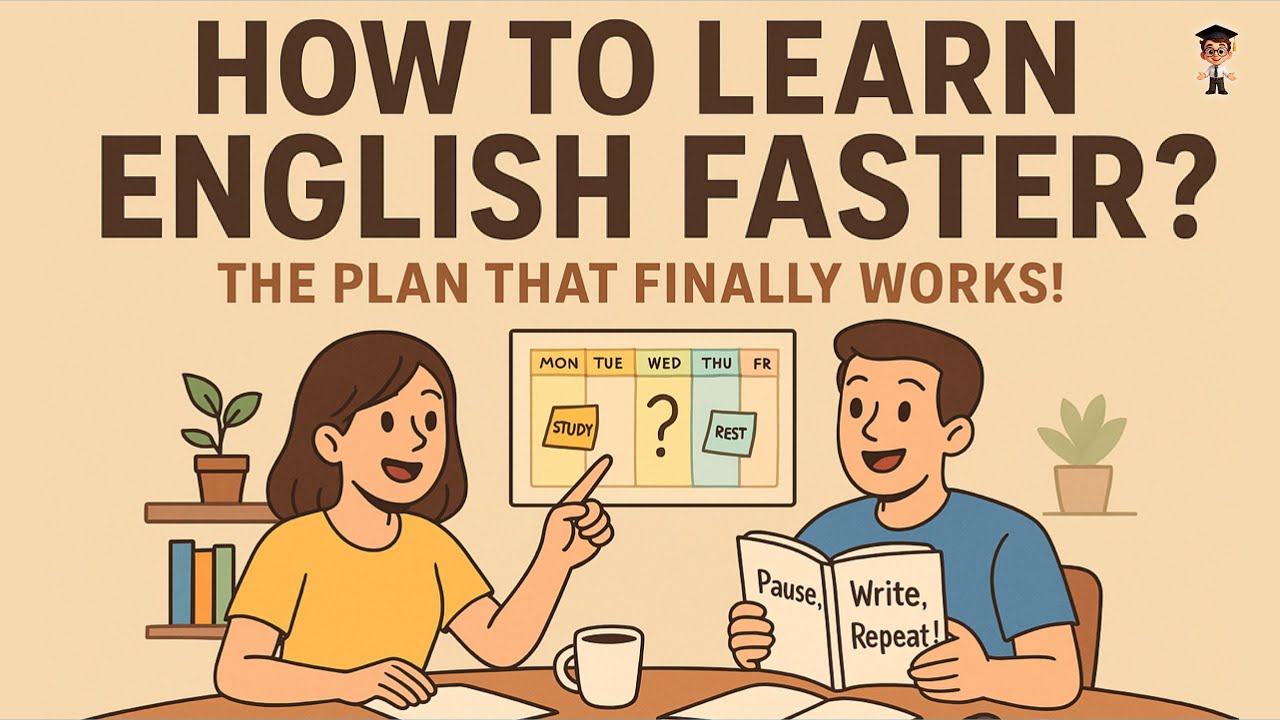
How To Learn English Fast: A Realistic Plan For Adult Learners
For most adults, the problem with learning English is not motivation. It is finding the time. Work, family, and everything else on the schedule leave little room for another standing commitment. Learning how to learn english fast comes down to making the hours you already have count, rather than clearing space for hours of daily study you will not keep up. A steady routine usually works better than a burst of study followed by several days away from the language.
Start With the English You Need
A busy adult has little reason to learn everything at once. Start with the situations that come up most often in your own life. Work might mean emails, meetings, or presentations. Travel calls for a different set of words and phrases, while everyday conversation has its own demands. Let those situations decide what you study first.
This also keeps vocabulary from becoming an endless list. Learn words and phrases that you are likely to use soon, then put them into complete sentences. A phrase becomes easier to remember when it is connected to something you might actually say.
Make Daily Practice Manageable
An hour every day is useful, but it does not have to feel like an hour of formal study.
You could spend part of the session listening to English you can mostly follow, then read something short and save a few useful expressions. A few minutes of speaking or writing gives you a chance to use them. Finish by looking back at one or two mistakes from that day’s work. The important part is coming back to English regularly. A long session on Sunday will not do much if English disappears again until the following weekend.
Start Speaking Before You Feel Ready
Many adult learners understand more English than they can produce. Listening feels manageable because there is no need to create the response. Speaking puts that knowledge under pressure.
You do not need a conversation partner for every session. Pick a familiar subject and talk about it for one minute. Describe your job, explain what you did that day, or talk through plans for the weekend. Record yourself if you can.
Do not stop every time you make a mistake. Finish the thought first. Afterwards, listen back and pick one or two recurring problems to work on. Fixing a small number of mistakes repeatedly is more useful than trying to correct everything at once.
Let Your Mistakes Choose the Next Lesson
A study plan becomes easier to manage when mistakes help decide what comes next.
If you keep mixing up tenses, spend some time on those forms. If conversations become difficult because you cannot find everyday phrases quickly enough, move more attention toward speaking and useful chunks of language. When listening is the problem, use shorter recordings and listen to them more than once.
A Testizer level check can also show whether those recurring problems are affecting your overall English level. You can use the result as a reference point while deciding which parts of your English need more attention.
Check Whether Your Routine Is Working
Fast progress is difficult to judge from one day to the next. A week can feel productive without producing an obvious change in your ability.
Give yourself a simple task every few weeks. Record a short answer to the same type of question, write a brief email, or listen to a piece of English that would previously have seemed difficult. Compare the newer attempt with the older one.
A level check can also give you a broader reference point. It will not capture every part of communication, but it can help you see whether your general proficiency has moved.
Build Speed Without Chasing Shortcuts
Learning English quickly does not mean finding a trick that replaces regular practice. It means reducing wasted effort and giving yourself more chances to use the language.
Keep the routine small enough to maintain. Speak before you feel completely prepared. Study phrases that belong to your real life. Pay attention to the mistakes that keep returning. Those choices can make limited study time much more productive.
There is no shortcut that replaces regular use. If you want to know how to learn english fast, begin with the English you reach for most, keep the practice going, and let your mistakes point to what needs work. A quick level check on Testizer marks where you are starting from and keeps that practice pointed in the right direction.