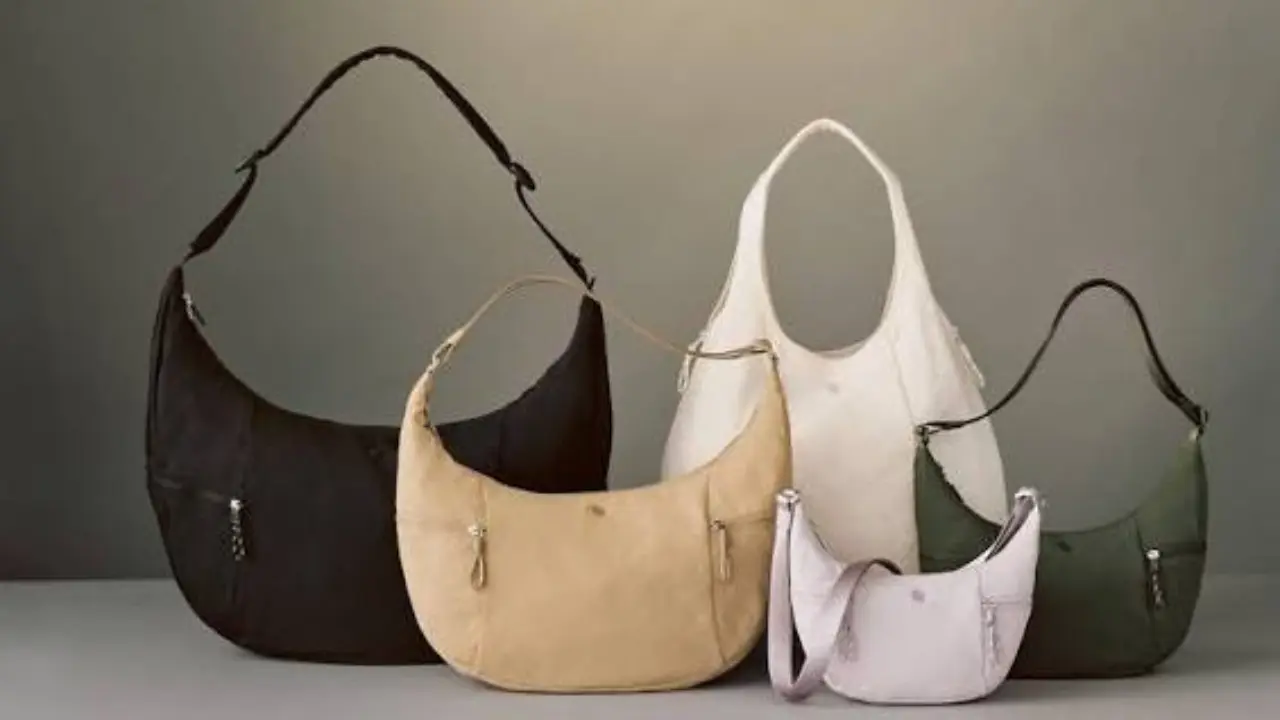
Lululemon Slouchy Sling Bag Names, Colors, Materials
A lululemon slouchy sling bag is a relaxed, close-to-body bag designed for carrying small daily essentials without the structured look of a traditional backpack or handbag. It is typically worn across the chest or back, with an adjustable strap and a soft, draped silhouette. The best choice depends less on the name and more on how much you carry, how you prefer to wear it, and whether its pockets and shape suit your routine.
Because product names, colors, materials, and availability can change, check the current product page before ordering. A few practical checks can prevent the common problem of buying a sling that looks right but is too small, too bulky, or awkward for your usual essentials.
What makes a sling bag “slouchy”?
A slouchy sling has a flexible body rather than a stiff, box-shaped structure. When it is not full, the fabric settles or drapes against the body. This creates a casual look and can make the bag feel less formal than a structured crossbody.
That softness also affects use. Flexible bags can adapt to irregular items such as a light layer, sunglasses case, small pouch, or compact water bottle. At the same time, they may offer less built-in protection and may be harder to organize than a bag with rigid compartments.
Is a Lululemon slouchy sling bag right for you?
A soft sling is a strong fit for errands, commuting with a few essentials, travel days, walks, and casual outings. It is most useful when you want hands-free carry but do not need the capacity of a backpack.
- Good match: You usually carry a phone, wallet, keys, earbuds, sunglasses, a small charger, and perhaps a light extra layer.
- May be too small: You regularly need a laptop, large tablet, full-size toiletries, gym shoes, several meals, or a bulky water bottle.
- May feel too unstructured: You need quick access to many small items or want a bag that holds its shape when set down.
Capacity is not only about dimensions. A curved or tapered sling can have usable space that feels different from a rectangular bag of similar stated volume. Look at interior photos and consider the actual objects you plan to carry.
Hibbett Sports Guide Shoes, Apparel, Sneaker Releases & More
How to judge size and capacity before ordering
Start with your everyday load. Lay those items together at home, then compare the group with the bag’s listed measurements and interior layout. This simple check is more dependable than relying on lifestyle photos.
| What you carry | What to look for |
|---|---|
| Phone, cards, keys, lip balm | A compact profile, secure main closure, and a small pocket for quick-access items |
| Daily essentials plus sunglasses and charger | A roomier main compartment and at least one organization pocket |
| Travel documents and portable battery | A secure zip closure, accessible pocket placement, and enough depth for a passport or travel wallet |
| Light layer or small bottle | A flexible main compartment, while keeping expectations realistic about bulk and weight |
A larger sling is not automatically more comfortable. Overpacking can pull the bag away from the body, make it swing as you walk, and place more pressure on one shoulder. If you tend to carry a lot, a backpack may distribute weight more evenly.
Soccer Ball Sizes, Designs, Technology, Drawing Tips
Fit matters as much as storage
The strap and the bag’s position determine whether a sling feels easy to wear. An adjustable strap should allow the bag to sit snugly across the front, along the back, or at the side without forcing the strap to sit at an uncomfortable angle.
Before removing tags or using a new bag outdoors, try it indoors with your normal items inside. Move your arms, sit down, bend, and reach for something. Check whether the bag shifts, whether the strap rubs your neck, and whether the zipper remains accessible in your preferred position.
Front, back, and side carry
- Across the front: Makes it easier to see the zipper and retrieve essentials. It can be useful in crowded places, but the bag may interfere with a seat belt or a jacket zipper.
- Across the back: Keeps the front of your body clear and often feels natural for walking. You usually need to swing it forward to access the main compartment.
- At the side: Can resemble a crossbody bag and may be comfortable for a lighter load. The bag can bump against the hip if it hangs too low.
A soft sling can change shape with different loads, so test fit with more than just an empty bag. Thick outerwear can also shorten the effective strap length and change where the bag rests.
Details that make a practical difference
Product pages often emphasize the overall appearance, but small construction details decide whether a bag works day to day. Prioritize the features you will actually use.
- Closure: A zipper can help keep loose items contained. Check how easily it can be opened and closed while the bag is worn.
- Pocket layout: Separate pockets reduce the need to dig through the main compartment. Too many tight pockets, however, can use up flexible packing space.
- Strap adjustment: Look for enough adjustment for your body shape and the clothing you wear in different seasons.
- Hardware: Buckles, sliders, zipper pulls, and attachment points should be easy to handle and should not press into the body.
- Fabric and lining: Read the current material and care details for the specific color and model. Similar-looking bags do not always use identical materials.
- Bag opening: A wide opening makes it easier to find items; a narrow opening may feel more secure but can limit access.
Soft sling bag versus a belt bag or small backpack
A slouchy sling sits between a compact belt bag and a small backpack. It generally carries more than a minimal belt bag while remaining more streamlined than a backpack, but the exact difference depends on the individual design.
| Bag type | Best for | Main trade-off |
|---|---|---|
| Slouchy sling | Hands-free daily carry with a relaxed shape and moderate capacity | Weight rests mainly on one shoulder; soft construction can reduce organization |
| Belt bag | Very light essentials and compact wear | Limited room for larger items |
| Structured crossbody | Items that need separation and a more defined silhouette | Less adaptable to bulky or oddly shaped belongings |
| Small backpack | Heavier or larger loads and longer days out | More material and bulk than many people need for quick errands |
Choose based on your carry needs, not just the silhouette. A sling works best as an everyday essentials bag; it is not a replacement for a properly sized backpack when you need to carry significant weight.
How to pack it without losing the relaxed shape
Pack the heaviest item close to the side that rests against your body. This can make the bag feel more stable and reduce the tendency for it to sag outward. Keep items you reach for often, such as a phone or transit card, in the most accessible secure pocket.
- Use a small pouch for loose cords, medication, or personal-care items.
- Place sharp-edged objects, pens, and keys in a separate pocket or case when possible.
- Avoid filling every inch of the main compartment; a little open space helps preserve the draped look.
- Rebalance the contents if the bag twists or repeatedly slides to one side.
Do not rely on a sling as the sole carrier for fragile electronics unless the specific bag has adequate padding and the item fits as intended. Soft bodies provide limited impact protection.
Care and cleaning considerations
Follow the care label and the instructions for the exact Lululemon bag you own. Materials, coatings, trims, and hardware can require different treatment, so a universal cleaning method is not appropriate.
For a small fresh spill, blot gently with a clean, damp cloth rather than rubbing aggressively. Allow the bag to air-dry away from direct heat. Avoid machine washing, soaking, bleach, harsh solvents, or heat drying unless the product’s care directions specifically permit them.
To store a soft sling, empty it and keep it in a dry place. Lightly filling it with clean tissue or a soft cloth can help it retain a preferred shape, but avoid overstuffing or folding it sharply for long periods.
Buying checks that are easy to miss
Before purchase, confirm the specific model rather than assuming one version has the same layout as another. Style names can be similar, and seasonal updates may change colors, fabric, pocket placement, or sizing.
- Review the listed dimensions, capacity, materials, and care instructions.
- Look closely at images of the front, back, base, interior, and strap.
- Confirm which pockets have zippers or other closures.
- Read the retailer’s current return conditions before use, especially if fit is uncertain.
- Buy through an authorized source when authenticity and return support matter to you.
Frequently asked questions
Can a slouchy sling bag be worn on either shoulder?
Many adjustable slings can be moved from one side to the other, but comfort and zipper access may differ by design. Check the strap direction, buckle placement, and pocket orientation before deciding it will work equally well on both sides.
Will a soft sling bag fit a water bottle?
It depends on the bottle’s dimensions, the bag’s main compartment, and how much else is inside. A flexible body may accommodate some smaller bottles, but a sling without a dedicated holder can become bulky or unbalanced.
Is a sling bag suitable for travel?
It can be useful for keeping travel essentials close, such as a phone, wallet, passport, charging cable, and tickets. For longer trips, use it alongside luggage or a backpack rather than expecting it to carry everything.
How should a sling bag sit on the body?
It should sit close enough to avoid swinging but not so tight that the strap restricts movement or presses on your neck. Adjust it after loading the bag, since a full bag often sits differently than an empty one.
Does a slouchy bag protect valuables?
A zipped compartment can help contain items, but a soft sling is not the same as a padded protective case. Use a separate case for fragile belongings and keep valuables in a closed interior pocket when available.
Conclusion
A lululemon slouchy sling bag makes the most sense for light-to-moderate daily carry, hands-free movement, and a relaxed silhouette. Focus on usable capacity, strap fit, closure security, and the pocket layout you need. Checking the current model details and testing the fit with your real essentials will tell you far more than appearance alone.