Necessary Equipment for Farming Various Species of Animals
Farming animals is one of the oldest and most rewarding agricultural practices in the world. Whether raising livestock for meat, dairy, fiber, or honey, each species demands a thoughtful approach to husbandry. One of the most important factors in running a successful animal farm is having the right tools and equipment on hand. From basic feeding systems to specialized protective gear, proper equipment keeps both the animals and the farmer safe, healthy, and productive throughout every season.
Livestock Handling and Containment Equipment
When raising large animals like cattle, sheep, or pigs, containment and handling systems are absolutely essential to daily operations. Sturdy fencing, gates, and chutes allow farmers to manage animal movement safely and efficiently without unnecessary stress on the herd. Squeeze chutes are particularly useful for cattle, enabling veterinary work and routine health checks without putting the animal or the handler at risk. Sorting pens and loading ramps round out a functional livestock handling setup, making everyday tasks far more manageable on the farm.
Feeding and Watering Systems
Proper nutrition and hydration are the foundation of healthy animal production, regardless of the species being raised. Automated feeders and water troughs reduce the manual labor involved in daily feeding routines while ensuring animals receive consistent access to food and clean water. For poultry operations, nipple drinkers and hanging feeders help minimize waste and keep feeding areas much more sanitary. In colder climates, heated water systems become a genuine necessity, preventing troughs from freezing during winter months and keeping animals properly hydrated year-round.
Shelter and Housing Structures
Every animal species has unique shelter requirements based on its size, behavior, and sensitivity to weather conditions. Barns and coops need to be well-ventilated to prevent moisture buildup, which can lead to respiratory illness and a host of other health problems in livestock and poultry alike. Proper bedding materials, such as straw or wood shavings, provide insulation and comfort while also absorbing waste to keep living spaces cleaner and more comfortable. For smaller operations, portable shelters and movable pens give farmers the flexibility to rotate animals across pastures, which supports better land management and overall animal health.
Beekeeping and Equipment for Apiary Operations
Beekeeping is a unique and rapidly growing branch of animal farming that calls for a very specific set of tools and protective gear. A standard setup for managing hives includes hive boxes, frames, a smoker, a hive tool, and a reliable bee brush for gentle colony inspections. Perhaps the most critical investment for any beekeeper, though, is proper protective clothing. Those focused on beekeeping and equipment needs will find that high-quality bee suits are essential for shielding the face, hands, and body from stings during hive inspections and honey harvesting. Starting with the right gear not only protects the beekeeper but also helps maintain a calmer, less disrupted hive environment overall.
Veterinary and Health Management Tools
Keeping animals healthy requires more than good feed and clean water. A basic on-farm veterinary kit should include syringes, thermometers, wound care supplies, and species-appropriate medications recommended by a licensed veterinarian. For larger operations, pregnancy testing equipment and electronic identification tags help farmers track individual animal health records and breeding histories with far greater efficiency. Routine health monitoring, combined with the right medical tools, makes it much easier to catch problems early and prevent costly losses before they escalate.
Waste Management and Sanitation Equipment
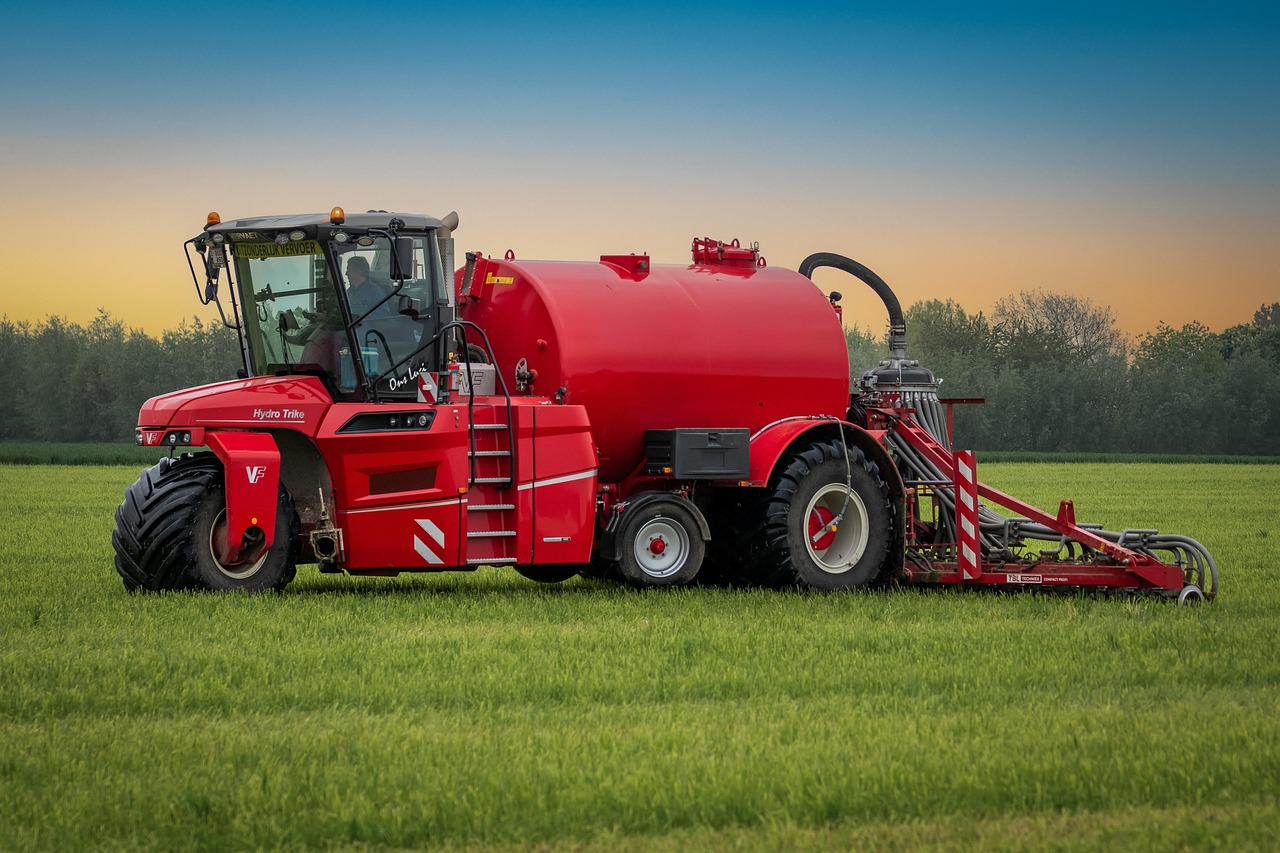
Animal farming naturally produces significant amounts of waste, and managing it responsibly is both a practical and environmental priority. Manure spreaders and composting systems allow farmers to convert animal waste into valuable fertilizer for crops and pastures, turning a challenge into a genuine resource. Regular cleaning of stalls, coops, and pens requires durable tools like scrapers, shovels, and pressure washers to maintain consistently sanitary conditions. Proper waste management not only improves the health of the animals but also protects nearby water sources and soil quality, which is critical for any sustainable farm operation.
Conclusion
Running a successful animal farm takes more than knowledge and passion. It requires investing in the right equipment for each species you raise. From robust livestock handling systems to specialized beekeeping gear, every tool plays a meaningful role in keeping an operation safe, efficient, and productive. As a farm grows and evolves, regularly evaluating and upgrading equipment will make a real difference in both animal welfare and overall farm performance. Taking the time to build a well-equipped operation from the start lays a strong foundation for long-term success in animal agriculture.