Minoxidil Hair Loss Treatment: A Practical Guide to Fuller, Healthier-Looking Hair
Hair thinning can gradually affect confidence, appearance, and everyday comfort. Fortunately, modern options have made it easier to approach hair loss with a consistent and practical strategy. Among the most recognized options is Minoxidil Hair Loss Treatment, a topical approach that has been used for years to support hair growth and reduce the appearance of thinning. Unlike many cosmetic products that simply improve the look of existing hair, minoxidil is a medication specifically associated with stimulating hair growth. For people experiencing certain forms of hereditary hair loss, it can be a valuable part of a long-term hair-care plan. The American Academy of Dermatology notes that minoxidil can stimulate hair growth and help prevent further hair loss, although results vary from person to person.
What Is Minoxidil?
Minoxidil is a medication applied directly to the scalp to encourage hair growth. It is available in topical formulations, including solutions and foams, and different strengths and directions may apply depending on the product and the person using it. The treatment works by supporting the hair-growth cycle, which can help some people maintain thicker-looking hair and encourage regrowth in areas affected by certain types of thinning. Because hair grows slowly, however, this is not an overnight solution. The American Academy of Dermatology reports that people may need approximately six to 12 months of consistent use before they can properly judge their response.
Why Minoxidil Remains a Popular Hair Loss Treatment
One reason minoxidil continues to attract attention is its combination of familiarity, accessibility, and clinical evidence. Many people prefer a straightforward topical routine rather than immediately considering more invasive approaches. Furthermore, minoxidil has been studied for hereditary hair loss and has demonstrated benefits such as stimulating growth, strengthening existing strands, and reducing ongoing thinning in appropriate users. It is important to remember that the medication does not promise a complete return to a previous hairline or density. Nevertheless, when expectations remain realistic, Hair Loss Treatment with minoxidil can be a practical option for people who want to address early or gradual thinning.
How Minoxidil Supports Hair Growth
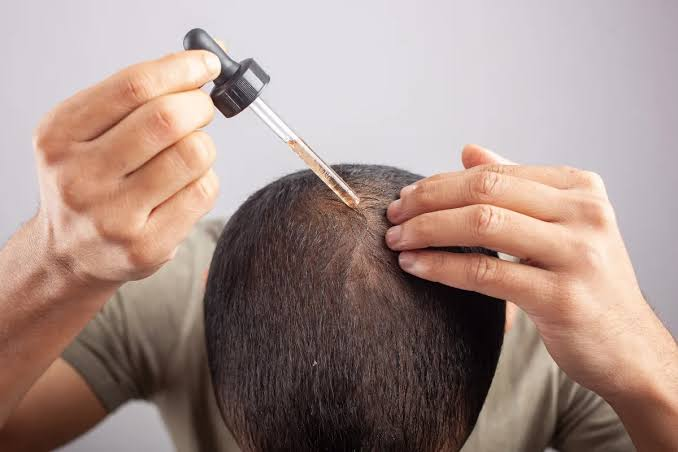
Minoxidil is generally applied to the scalp rather than simply spread over the hair itself. Its purpose is to act where the hair follicles are located, making correct application an important part of a treatment routine. Depending on the specific formulation and individual circumstances, products may be directed for once- or twice-daily use, so users should follow the instructions supplied with their product or those provided by a healthcare professional. Using more than recommended does not necessarily produce better results. Instead, consistency matters far more. With regular use, some people gradually notice reduced shedding, improved coverage, or thicker-looking strands as the treatment begins to work.
Who May Benefit From Minoxidil?
Minoxidil is particularly associated with hereditary or pattern hair loss, which commonly develops gradually rather than appearing suddenly. Early treatment can be helpful because preserving existing follicles may provide a better opportunity to maintain hair density. The American Academy of Dermatology explains that hereditary hair loss can affect both men and women, although the pattern of thinning may differ. For women with female pattern hair loss, topical minoxidil is described by the AAD as the most-recommended treatment, with 2% and 5% formulations used depending on the product and circumstances.
However, not every type of hair loss should automatically be treated with minoxidil. Sudden, patchy, painful, inflamed, or unexplained hair loss may have another underlying cause. Nutritional problems, thyroid conditions, medications, inflammatory disorders, and certain forms of scarring alopecia can require a different approach. Therefore, identifying the cause is an important first step. A dermatologist can examine the scalp and hair pattern and determine whether minoxidil makes sense as part of an individualized Hair Loss Treatment plan.
What Results Can You Expect?
A major advantage of minoxidil is that it offers a realistic opportunity to improve hair density without promising unrealistic transformations. Some users experience visible regrowth, while others mainly notice that their existing hair appears thicker or that progression slows. The response cannot be predicted perfectly, and not everyone experiences the same degree of improvement. In general, the earlier an appropriate treatment begins, the more opportunity there may be to preserve existing hair. However, even when minoxidil works well, it should be viewed as a maintenance treatment rather than a permanent cure.
| Aspect | What to Know |
| Treatment type | Topical medication |
| Main purpose | Support hair growth and reduce thinning |
| Commonly used for | Certain forms of hereditary/pattern hair loss |
| Typical timeline | Around 6–12 months to properly assess results |
| Consistency | Regular use is important |
| Long-term use | Benefits generally require continued treatment |
| Results | Vary between individuals |
The Importance of Consistency
Consistency is arguably the most important part of a successful minoxidil routine. Hair follicles require time to respond, so stopping and starting treatment can make it difficult to determine whether the medication is actually helping. Some people may become discouraged during the early stages because they expect immediate changes; however, hair-growth treatments typically require patience. The AAD also notes that some people may experience a temporary increase in shedding during the first two to eight weeks, particularly among women using minoxidil. This can be concerning, but it may occur as the hair-growth cycle changes.
If minoxidil produces a beneficial response, continued use is generally necessary to maintain those benefits. Stopping treatment can eventually result in the loss of hair that was being maintained or regrown with the medication. Consequently, anyone considering long-term Minoxidil Hair Loss Treatment should approach it as an ongoing routine rather than a short-term experiment. That long-term perspective can make the process feel much more manageable because the goal becomes maintaining progress instead of expecting a dramatic transformation within a few weeks.
Potential Side Effects and Precautions
Like any medication, minoxidil can cause side effects. Topical use may sometimes lead to scalp irritation, dryness, scaling, itching, or redness. Some people can also notice unwanted hair growth outside the scalp, particularly if the product spreads to areas such as the forehead or face. Applying the product carefully to the intended scalp area can help reduce unnecessary exposure. If significant irritation develops, professional medical advice is appropriate rather than simply increasing, changing, or combining treatments independently.
People should also pay attention to product-specific warnings. Certain labels advise against using minoxidil when hair loss is sudden or patchy, when the cause is unknown, or when the scalp is irritated or painful. Pregnancy and breastfeeding also require particular caution; the AAD advises women who are pregnant, planning pregnancy, or breastfeeding to avoid minoxidil. For these reasons, a healthcare professional can help determine whether a particular formulation is suitable before starting treatment.
Why Choose a Professional Approach?
Although topical minoxidil is widely available, choosing a treatment based on the actual cause of hair loss can make the experience more productive. This is where professional guidance becomes valuable. Rather than treating every case of thinning hair in exactly the same way, a qualified provider can consider the pattern of hair loss, existing conditions, medications, age, and desired results. Sanctuary Wellness Institute presents minoxidil hair restoration among its services for both men and women, making it an option worth discussing for individuals interested in a structured approach to hair restoration.
A professional approach also helps establish realistic expectations. Instead of assuming that a product will restore every lost strand, users can focus on achievable goals such as supporting existing follicles, improving visible density, or slowing progression. This perspective makes Sanctuary Wellness Institute‘s hair-restoration offering particularly relevant for people who prefer to explore treatment with guidance rather than relying solely on online claims. As with any medical treatment, individual suitability should be discussed with an appropriate healthcare professional.
Minoxidil Compared With Cosmetic Hair Products
Shampoos, conditioners, serums, and styling products can make hair feel smoother or appear fuller, but they serve a different purpose from medication-based treatment. A volumizing shampoo, for example, may temporarily improve the visual appearance of thin hair, whereas minoxidil is intended to act on the scalp and hair-growth process. Therefore, these approaches do not necessarily need to compete with one another. A person can maintain a healthy hair-care routine while using an appropriate Hair Loss Treatment under professional guidance.
This distinction is one reason minoxidil remains appealing. It is not marketed simply as a cosmetic camouflage; instead, it has an established role in managing certain forms of hair loss. The AAD specifically recognizes topical minoxidil as a treatment that can stimulate growth and prevent further hair loss in appropriate cases.
Making Minoxidil Part of a Long-Term Hair Strategy
A successful hair-growth routine involves more than applying a product and waiting for dramatic changes. Start by understanding the likely cause of thinning, follow the instructions for the specific formulation, and give the treatment sufficient time to demonstrate its effects. Keeping occasional photographs under similar lighting can also make gradual changes easier to notice. Additionally, maintaining gentle hair-care habits can help protect existing strands from unnecessary damage.
For people considering professional support, Sanctuary Wellness Institute can be part of the conversation about available hair-restoration options. Its listed services include minoxidil hair restoration for both men and women. Ultimately, the most useful Hair Loss Treatment is one that matches the individual’s cause of hair loss, expectations, and medical circumstances. Minoxidil can be a particularly appealing option because it combines a simple topical routine with a substantial history of use in appropriate cases.
A Positive Step Toward Healthier-Looking Hair
Hair loss does not have to mean immediately accepting permanent thinning. For people with suitable types of hair loss, minoxidil provides a well-established option that can support regrowth and help maintain existing hair. It requires patience and consistency, but that can actually be an advantage: rather than relying on a quick cosmetic fix, users can follow a structured routine and evaluate their progress over time.
Sanctuary Wellness Institute offers minoxidil hair restoration as one of its listed services, giving individuals another avenue to explore when considering their options. While no Hair Loss Treatment can guarantee identical results for everyone, minoxidil remains a well-known and evidence-supported choice for appropriate candidates. With realistic expectations, consistent use, and professional guidance when needed, it can become a positive part of a broader strategy for maintaining fuller, healthier-looking hair.
Frequently Asked Questions
Is minoxidil an effective Hair Loss Treatment?
Minoxidil can be effective for certain types of hair loss, particularly hereditary or pattern hair loss. Research and dermatology guidance indicate that it can stimulate hair growth, reduce hair loss, and improve the thickness of existing strands in some people. However, results vary, and it cannot guarantee complete restoration of lost hair.
How long does Minoxidil Hair Loss Treatment take to work?
Hair growth is naturally slow, so patience is essential. The American Academy of Dermatology indicates that it can take approximately six to 12 months to determine how well minoxidil is working for an individual. Some changes may appear earlier, but evaluating the overall response generally requires consistent use over a longer period.
Do I need to keep using minoxidil?
Yes. When minoxidil works, continued use is generally necessary to maintain its benefits. If treatment is discontinued, the hair maintained or regrown because of minoxidil may gradually become thinner again.
Can women use minoxidil?
Topical minoxidil is used for female pattern hair loss, and the AAD identifies it as the most-recommended treatment for this condition. However, women who are pregnant, planning to become pregnant, or breastfeeding should avoid minoxidil and discuss appropriate alternatives with a healthcare professional.
Can minoxidil treat every type of hair loss?
No. Hair loss has many possible causes, and minoxidil is not appropriate for every condition. Sudden or patchy loss, scalp inflammation, unexplained shedding, or signs of scarring can require evaluation and a different treatment strategy. Identifying the underlying cause is therefore essential before choosing a Hair Loss Treatment.
Is professional guidance necessary?
Minoxidil is available in topical forms without a prescription in many markets, but professional guidance can still be useful. A healthcare professional can help identify the cause of hair loss, discuss suitability, explain expectations, and address side effects. For individuals exploring professional hair-restoration services, Sanctuary Wellness Institute lists minoxidil hair restoration for both men and women among its services.