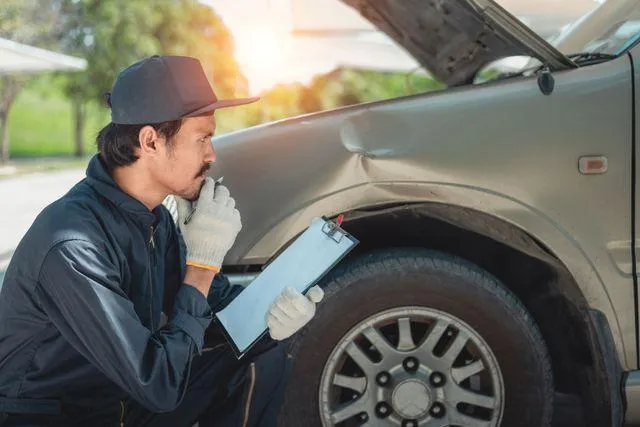
Why Two Similar Car Accidents Can Have Completely Different Repair Costs
Introduction
Two vehicles can be involved in accidents that look almost identical, yet the repair costs may differ significantly. A damaged front bumper, a dented door, or a scratched rear panel might appear to represent a straightforward repair. However, the actual expense depends on much more than the visible damage.
Vehicle age, construction, paint type, replacement-part availability, electronic equipment, and hidden defects can all influence the final calculation. Even the location of a dent can change the amount of work required.
For drivers, this creates an important challenge: how can they understand whether a repair quotation is reasonable when the damage appears relatively minor?
The answer begins with understanding how professional vehicle damage assessments work and which factors influence the estimated repair costs.
The Visible Damage Is Only Part of the Story
After an accident, most owners naturally focus on the damaged area they can see. A scratched bumper or dented door becomes the centre of attention because it is easy to photograph and describe.
However, a vehicle’s exterior contains several interconnected components. An impact can transfer force beyond the visible contact point.
For example, a rear-end collision may leave a bumper cover scratched or slightly deformed. Behind it, technicians may discover damaged mounting brackets, supports, or parking sensor components.
A front-end impact can also affect parts that are not immediately visible, including fittings around the radiator area, headlights, and other front-end components.
This explains why an initial visual impression cannot always establish the complete repair requirements.
A professional inspection helps identify the visible damage and determine whether additional examination is necessary before the final repair scope can be confirmed.
Vehicle Design Makes a Significant Difference
Modern vehicles are manufactured using different materials and construction methods. These differences influence how components respond to an impact and how they can be repaired.
Steel and Aluminium Body Panels
Steel panels are commonly used in vehicle construction and can often be reshaped using established body repair techniques. Aluminium panels require different handling because their material properties and repair procedures are not identical.
A repair method suitable for a steel door should not automatically be applied to an aluminium component.
The technician must consider the material, extent of deformation, and manufacturer’s repair guidance before selecting the appropriate process.
Plastic Bumpers
Bumpers are frequently made from plastic materials. A minor scuff may be relatively simple to address, while a deep crack, broken mounting point, or significant deformation may require a more extensive repair or replacement.
The cost can also depend on whether sensors, cameras, or other equipment are integrated into the bumper.
Modern Electronic Components
Many newer vehicles include parking assistance systems, cameras, radar sensors, and other electronic features.
When an accident affects the areas where these components are installed, additional inspection and calibration may be necessary.
Consequently, two vehicles with similar exterior damage may require very different repair operations.
Paintwork Is More Complex Than Applying a New Colour
A damaged panel often needs more than a simple coat of paint. Professional refinishing involves several stages, and each one contributes to the final result.
The first step is preparing the affected surface. Depending on the damage, this may involve removing loose paint, sanding, smoothing, and filling imperfections.
A suitable primer may then be applied before the base coat and clear coat. The technician must also consider whether the surrounding paint needs blending to achieve a consistent appearance.
Colour matching can introduce additional complexity. Metallic and pearlescent finishes may look different depending on lighting and viewing angle. Older paint may also have changed slightly through exposure to sunlight and weather.
This is why the cost of repainting a small section cannot always be calculated simply by measuring its size.
Labour Costs Depend on the Repair Process
Another reason repair quotations differ is the amount of labour involved.
A small dent in an easily accessible panel may require relatively limited work. A similar dent near a sharp crease or complex body contour can take considerably longer to restore.
Some repairs also require the removal of surrounding components before the damaged area can be accessed.
For instance, technicians may need to remove a bumper, lamp, trim, or other attached part before carrying out bodywork. Once the repair is complete, these components must be reinstalled correctly.
The estimate should account for these operations rather than treating the repair as a single task.
The total labour requirement can also increase when several panels are affected or when the vehicle needs additional inspection after dismantling.
Why Replacement Parts Can Change the Final Price
Parts availability is another important factor.
A vehicle with widely available replacement components may be less expensive to repair than a model requiring specialised or difficult-to-source parts.
The difference can involve headlights, bumpers, sensors, mirrors, door components, and other vehicle-specific equipment.
There may also be choices between original manufacturer parts and alternative components, depending on the vehicle, repair requirements, and insurance arrangements.
However, selecting the cheapest replacement part is not always the best decision. Compatibility, quality, fitment, and safety requirements should be considered.
A repair quotation should make the relevant parts and their expected costs understandable so that the vehicle owner knows what is being proposed.
What Should a Reliable Repair Estimate Explain?
A professional repair estimate should provide a structured explanation of the expected work rather than simply stating a final amount.
Depending on the damage, it may include:
- Vehicle identification and relevant details.
- Damaged components and their condition.
- Repair or replacement operations.
- Labour costs.
- Replacement parts and materials.
- Painting and refinishing expenses.
- Removal and reinstallation work.
- Additional operations that may be required.
The document should also make clear which items are based on the initial inspection and which may need confirmation after dismantling.
Drivers looking for a structured assessment can explore the service for Kostenvoranschlag für Fahrzeugschäden. A written estimate can help clarify the expected repair expenses and provide a useful basis for further discussions.
Why the Cheapest Quotation May Not Be the Best One
Comparing repair quotations is sensible, but focusing only on the final price can lead to an incomplete decision.
Imagine that two workshops provide estimates for the same damaged door. The first quotation includes panel repair, preparation, painting, and blending. The second includes only basic bodywork and repainting.
The second amount may look more attractive initially, but it does not necessarily cover the same scope of work.
Before selecting a workshop, compare the actual operations included in each document.
Ask whether the estimate includes:
- All visible damaged components.
- Necessary removal and reinstallation.
- Appropriate surface preparation.
- Colour matching and blending where required.
- Replacement parts and relevant materials.
- Additional work that may be identified after dismantling.
A higher quotation is not automatically better, just as a lower one is not automatically a bargain. The objective is to compare equivalent repair work and understand what each price represents.
The Role of Insurance in Repair Cost Calculations
Insurance arrangements can influence how repair costs are assessed and paid.
In Germany, liability insurance generally deals with eligible claims when another party is responsible for an accident. Comprehensive insurance and partial comprehensive insurance cover different types of damage according to the relevant policy conditions.
For example, a collision caused by another driver may be handled differently from damage covered under the vehicle owner’s own comprehensive policy.
The insurer may review the repair estimate, check individual items, and determine which expenses are covered. Depending on the situation, an excess or other policy restrictions may apply.
For more substantial accidents, an independent vehicle damage report may be appropriate. Such a report can consider additional financial aspects beyond the immediate repair cost, including possible diminished value and loss of use where applicable.
Drivers should understand which type of assessment is needed before proceeding with a claim.
When Additional Inspection Becomes Necessary
A preliminary estimate is useful, but it may not always reveal the full extent of the damage.
This is particularly relevant when body panels overlap, electronic components are involved, or an impact has affected several connected areas.
After dismantling, the workshop may discover additional damage that could not be confirmed during the initial inspection.
When this happens, the repair scope and cost calculation may need to be revised. The vehicle owner should be informed about the additional work and its financial implications before proceeding with operations that require further approval.
A transparent process helps prevent disagreements about why the final repair cost differs from the original estimate.
Where to Obtain a Vehicle Damage Estimate in Wuppertal
Drivers looking for professional vehicle repair and painting services can visit Linge Lackierzentrum.
The workshop provides information about its cost-estimate service for different situations, including accident damage, liability claims, comprehensive and partial insurance damage, parking incidents, hail damage, and private repairs.
For an initial assessment, customers can submit photographs through WhatsApp or email. More complicated cases may require a physical inspection to establish the full repair requirements.
The workshop states that estimates are generally prepared within 24 hours. It also works with independent vehicle assessors where a broader damage assessment may be appropriate.
This can help vehicle owners understand whether they need a straightforward repair calculation or a more comprehensive assessment before making a decision.
How to Make the Assessment Process Easier
A little preparation can make communication with a repair workshop more efficient.
Start by photographing the damaged areas from several angles. Include close-up images and wider photographs showing where the damage is located.
Keep the vehicle’s registration details available and note the mileage. If an accident has occurred, collect relevant information about the incident and the insurance claim.
It is also useful to mention any previous repairs in the affected area. Earlier paintwork or replacement components can influence the assessment.
Most importantly, describe what happened rather than trying to diagnose the damage yourself. A technician can then examine the vehicle and determine which repair operations are appropriate.
Conclusion
Vehicle repair costs depend on far more than the size of a visible dent or scratch. Construction materials, hidden damage, electronic equipment, labour requirements, paint finishes, and replacement parts can all influence the final calculation.
A detailed estimate helps explain these factors and gives drivers a clearer understanding of the work being proposed. It also makes it easier to compare quotations, communicate with insurers, and decide whether repair or replacement is the more practical option.
Related: Value of a Damaged Car: How Accident History Influences Vehicle Resale
Rather than choosing a workshop based solely on the lowest price, vehicle owners should examine the complete repair scope and ask questions about unclear items. A well-explained assessment is an important starting point for restoring the vehicle properly and managing the associated expenses.