What Is Intramural Sports Types, And Benefits
What is intramural sports refer to organized sports activities that take place within a single school, college, university, or community group. These sports focus on participation, fitness, and enjoyment rather than elite competition. Players usually compete against others from the same institution instead of external teams. Because of this setup, intramural sports remain accessible to people of different skill levels and backgrounds.
The main goal is to encourage physical activity in a relaxed environment. Many students and adults choose intramural sports to stay active without the pressure of high-level leagues. This approach makes sports more inclusive and social. As a result, intramural programs often attract large numbers of participants.
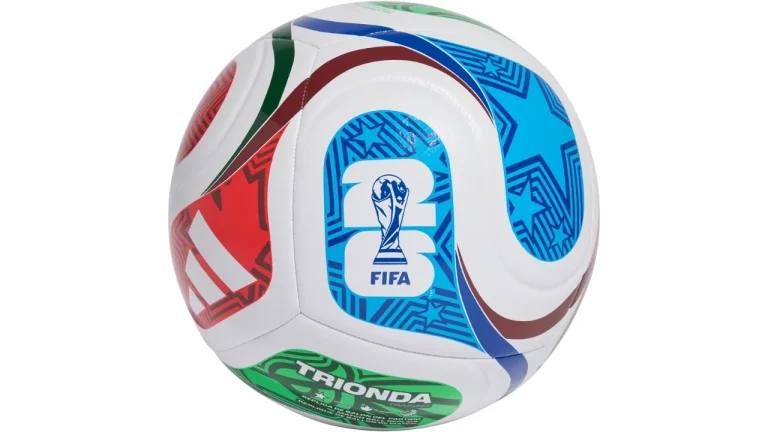
The Official 2026 FIFA World Cup Match Ball
The Origin and Meaning of Intramural Sports
The term “intramural” comes from Latin words meaning “within the walls.” This explains why these sports stay inside one organization or campus. When people ask what is intramural sports, the answer always links back to this idea of internal competition. Teams form from students, staff, or members of the same community.
Historically, schools introduced intramural sports to balance academics and physical health. Over time, these programs expanded beyond education settings. Today, many workplaces and local centers also run intramural leagues. This growth shows how flexible and popular intramural sports have become.
| Aspect | Intramural Sports Explanation |
|---|---|
| Definition | Sports played within the same institution or community, not against external teams |
| Primary Goal | Participation, fitness, and fun, not elite competition |
| Skill Level | Open to all levels, from beginners to experienced players |
| Team Formation | Teams form from students, staff, or members of the same organization |
| Common Sports | Basketball, football, soccer, volleyball, badminton, dodgeball |
| Competition Level | Low to moderate, relaxed rules and short seasons |
| Time Commitment | Flexible schedules, usually evenings or weekends |
| Cost | Low or free in many schools and community programs |
| Social Benefit | Builds friendships, teamwork, and community bonding |
| Difference from Varsity | No tryouts, no scholarships, less pressure and commitment |
How Intramural Sports Work
Intramural sports usually follow simple rules adapted from standard games. Organizers design these rules to ensure safety and fairness. Teams often play short seasons, which makes joining easy for beginners. Registration remains open and affordable in most programs.
Is Academy Sports Legit Safety, Products, And Trust
Schedules are flexible to fit busy routines. Games often occur in the evenings or on weekends. This structure helps participants enjoy sports without disrupting studies or work. For many people, understanding what is intramural sports becomes clear once they experience this flexible system.
What is intramural sports Common Types

Intramural programs offer a wide variety of sports. Popular options include football, basketball, volleyball, and soccer. Many programs also include individual sports like badminton or table tennis. Some even offer nontraditional games such as dodgeball or ultimate frisbee.
The variety allows participants to choose activities they enjoy most. Skill level rarely limits entry, which reduces anxiety for new players. Because of this, intramural sports appeal to both beginners and experienced athletes. This wide choice explains why these programs stay popular year after year.
What Is The Hardest Thing To Do In Sports
Who Can Participate in Intramural Sports?
Participation rules depend on the organization running the program. In schools and universities, students, faculty, and staff often qualify. Community-based programs usually welcome residents or members. This broad eligibility increases social interaction among participants.
Intramural sports promote teamwork and communication. Players meet people outside their usual social circles. This social benefit becomes a major reason people join. When people ask what is intramural sports, they often learn it is as much about community as it is about exercise.
How To Get FIFA World Cup Tickets 2026
Benefits of Intramural Sports
Intramural sports provide physical, mental, and social benefits. Regular activity improves fitness, strength, and coordination. It also reduces stress and supports mental well-being. Many participants report feeling more energized after games.
Socially, intramural sports help build friendships and teamwork skills. Players learn cooperation and leadership in a relaxed setting. These benefits extend beyond the field into daily life. For this reason, many institutions invest heavily in intramural programs.
Intramural Sports vs. Other Sports Programs
Intramural sports differ from varsity and club sports in several ways. Varsity sports focus on elite competition and require tryouts. Club sports fall somewhere in between, with external competitions and higher commitment levels. Intramural sports, however, emphasize fun and inclusion.
Understanding what is intramural sports becomes easier when comparing these options. Intramural leagues require less time and pressure. They allow participants to enjoy sports without long-term commitments. This balance makes intramural sports ideal for busy individuals.
The Role of Intramural Sports in Education
Educational institutions use intramural sports to support student development. These programs encourage healthy lifestyles alongside academic growth. Many schools see intramural sports as part of holistic education. Students learn discipline, teamwork, and time management.
Participation also improves campus life. Intramural events bring people together and create shared experiences. This sense of belonging improves overall satisfaction. For students wondering what is intramural sports, education-focused benefits often stand out.
Challenges and Limitations of Intramural Sports
Despite many advantages, intramural sports face some challenges. Limited facilities can restrict the number of teams or sports offered. Scheduling conflicts may also occur during busy seasons. Organizers must manage resources carefully to ensure fairness.
Injuries, though less common, can still happen. Programs address this by modifying rules and emphasizing safety. Even with these challenges, intramural sports remain widely valued. Their benefits usually outweigh the limitations.
Why Intramural Sports Remain Popular
Intramural sports continue to grow because they adapt easily. Programs change sports options based on participant interest. This flexibility keeps them fresh and engaging. Many people return season after season.
When people finally understand what is intramural sports, they often see it as an entry point to lifelong fitness. It removes fear and pressure from sports participation. This welcoming nature explains the lasting popularity of intramural sports.
Conclusion
Intramural sports offer an inclusive way to stay active, social, and healthy. They focus on enjoyment rather than intense competition. By understanding what is intramural sports are, people can see why these programs fit so many lifestyles. Their flexibility, affordability, and community focus make them valuable in schools and beyond.
For anyone seeking balance between fitness and fun, intramural sports remain a practical choice. They encourage participation at every level and age. This simple approach keeps sports accessible and enjoyable for everyone.