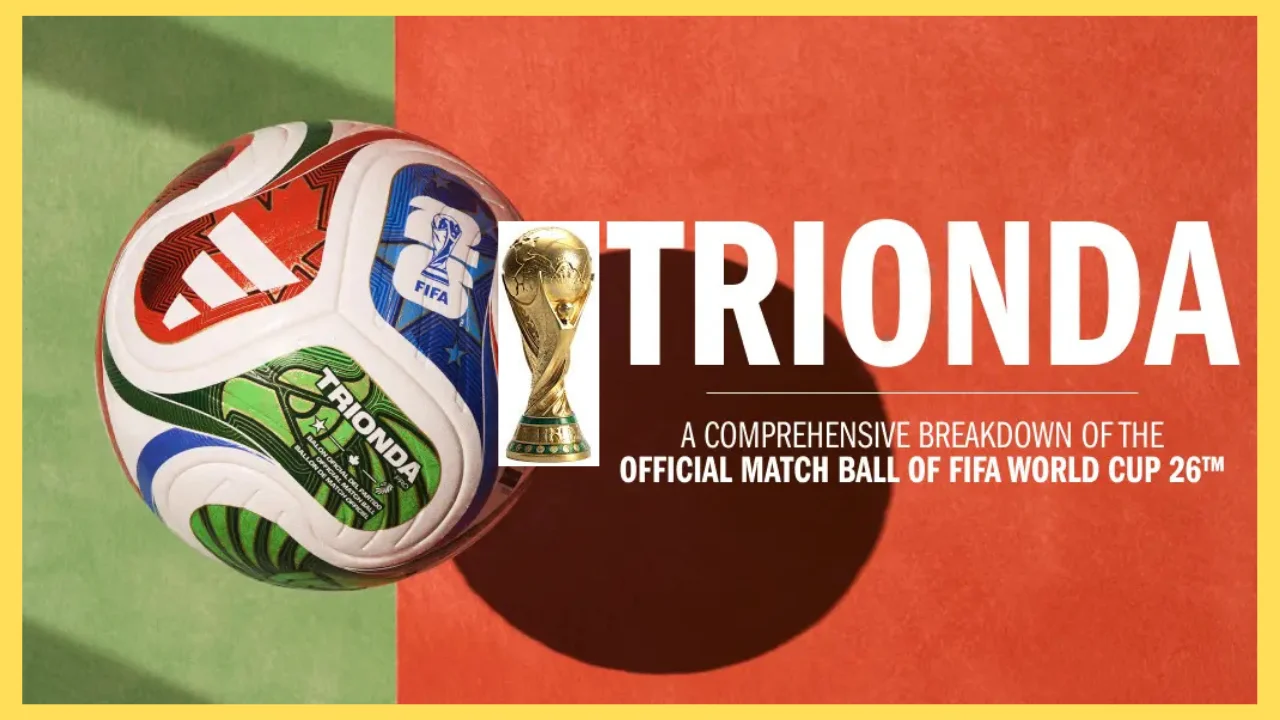
Trionda
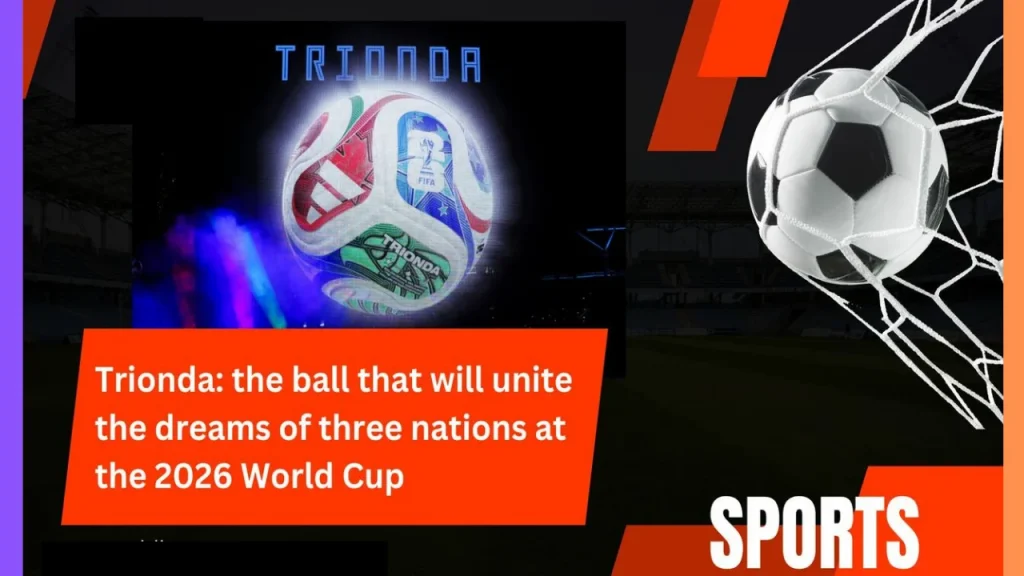
Every FIFA World Cup introduces a football that defines the tournament’s identity. For 2026, that legacy continues with Trionda, the official match ball designed by Adidas for the FIFA World Cup 2026, co-hosted by Canada, Mexico, and the United States.
With its revolutionary design, advanced sensor technology, and sustainable production process, Trionda is more than just a football — it’s a symbol of unity, innovation, and precision in motion.
Meaning Behind Trionda
The name Trionda is inspired by the words “Tri” (meaning three) and “Onda” (meaning wave in Spanish). Together, they symbolize “Three Waves” — a perfect reflection of the three host nations coming together to celebrate the world’s most popular sport.
Each wave represents the movement, energy, and flow of football across North America, echoing the shared spirit of unity that the 2026 World Cup embodies.
In essence, Trionda represents connection: three countries, one passion, and millions of hearts beating as one.
FIFA and Adidas
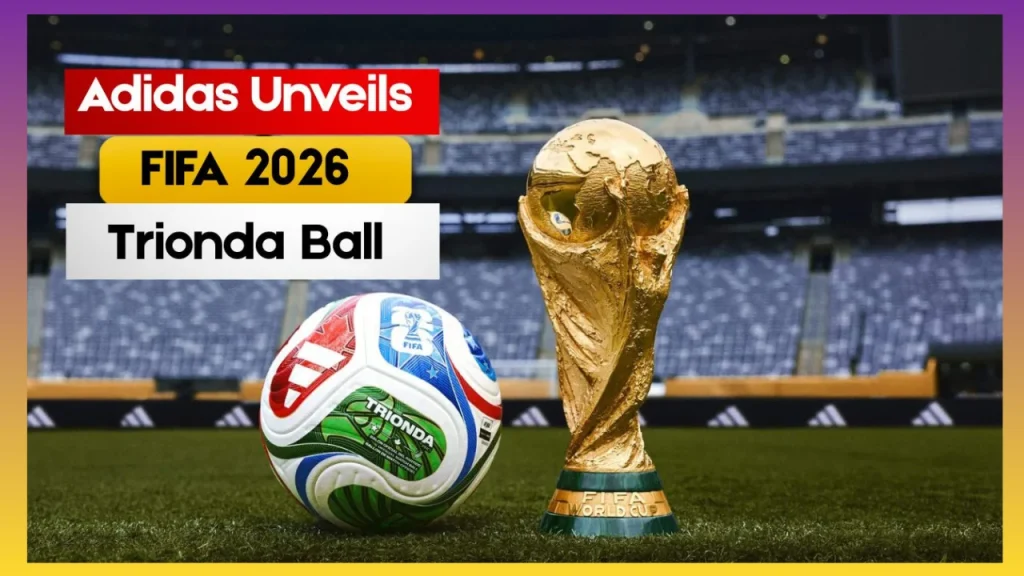
Since 1970, Adidas has partnered with FIFA to design every official World Cup match ball, setting benchmarks in performance, creativity, and technology. From the iconic Telstar in Mexico 1970 to the Al Rihla in Qatar 2022, each ball has captured the spirit of its era.
The Trionda builds on that heritage. Developed over years of testing and engineering, it reflects Adidas’s mission to combine innovation and sustainability. Its development involved hundreds of players, coaches, and engineers who contributed feedback to ensure unmatched performance under any condition.
FIFA’s technical approval process pushed it to meet the highest FIFA Quality Pro standards — a certification only the world’s top-performing footballs achieve.
Trionda Design and Symbolism
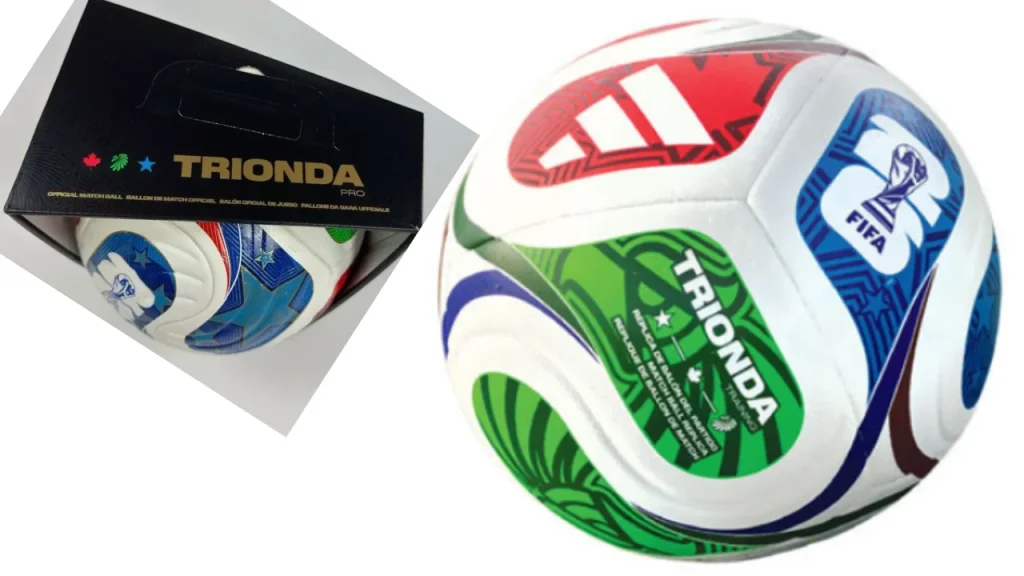
The Trionda design is bold, elegant, and deeply symbolic. It features a four-panel structure with smooth aerodynamic curves and a distinct tri-color scheme — red, green, and blue — representing Mexico, Canada, and the USA, respectively.
- Red reflects Mexico’s fiery energy and passion for football.
- Blue symbolizes the United States’ innovation and modernity.
- Green celebrates Canada’s natural beauty and sense of harmony.
Gold details outline the merging colors, creating three flowing waves that represent connection and motion — the essence of global unity through sport.
The overall look is vibrant and dynamic, designed not just for aesthetics but also for visibility on camera and in-stadium, ensuring every spin, shot, and curve captures the audience’s attention.
Advanced Construction
At the heart of Trionda is its cutting-edge construction — a perfect balance between aerodynamics, precision, and control. The four-panel configuration, introduced in World Cup history, reduces air resistance and provides a more stable flight path.
Each panel is thermally bonded, eliminating stitching to create a seamless surface. This enhances roundness and ensures that the ball behaves consistently across passes, dribbles, and shots — even in varying weather conditions.
The outer layer is made from micro-textured polyurethane (PU) with hexagonal grooves that enhance grip and accuracy. Inside, multi-layered foam and a butyl bladder provide long-lasting air retention and responsive rebound.
This construction ensures that every player — from goalkeeper to striker — experiences unmatched precision, power, and consistency.
Revolutionary Connected Ball Technology
One of the most groundbreaking features of Trionda is its Connected Ball Technology, developed jointly by Adidas and FIFA’s Innovation Program.
At the center of the ball lies an inertial measurement unit (IMU) — a tiny sensor that transmits data 500 times per second, recording every touch, pass, and shot in real-time.
This allows for:
- Semi-automated offside detection with unmatched precision.
- Real-time tracking for VAR (Video Assistant Referee) decisions.
- Instant analysis of speed, spin, and ball trajectory.
The sensor is suspended inside the ball, ensuring no interference with its natural movement or weight. This integration allows it to be the smartest football ever used in a FIFA World Cup.
The system was perfected after its successful trial in Qatar 2022 and now operates faster, more securely, and more accurately, enhancing fairness and transparency in the game.
Trionda Manufacturing
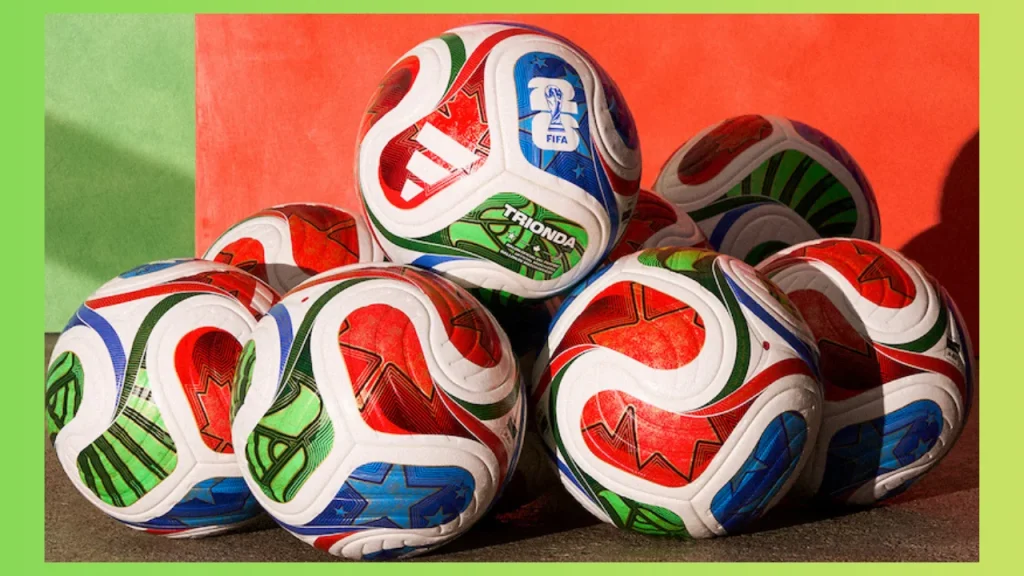
The manufacturing of Trionda takes place in Sialkot, Pakistan, known globally as the capital of football production. This city has produced every official Adidas World Cup ball since 1982, combining human craftsmanship with advanced robotics to achieve perfection.
The ball is manufactured by Forward Sports (Pvt.) Ltd., Adidas’s long-term partner, recognized for its world-class facilities and commitment to ethical, eco-friendly production.
Sustainable Materials
Each Trionda is made using:
- 100% recycled polyester backing
- Water-based, solvent-free inks
- Non-toxic adhesives
- Foam and PU layers made from renewable sources
These components reduce environmental impact and help Adidas move closer to its goal of eliminating virgin plastic from its production lines by 2030.
Thermo-Bonded Assembly
Instead of hand-stitching, it uses heat-sealed thermo-bonding to fuse panels perfectly together. This method provides:
- A waterproof seal for play in all weather
- Improved roundness and air retention
- Longer durability under match conditions
- Better flight consistency for long passes and shots
The entire process is monitored by digital sensors that measure seam alignment and curvature to within fractions of a millimeter.
Embedded Motion Sensor Installation
During production, the IMU motion sensor is carefully installed inside a shock-absorbing chamber at the center of the ball. Engineers ensure the weight remains evenly balanced, preventing drift or wobble during flight.
Each sensor undergoes testing to confirm:
- 100% functionality under extreme temperatures
- Accurate motion tracking up to 500Hz
- Stability after thousands of impacts
Only after passing these quality checks is the Trionda sealed, inflated, and prepared for certification.
Rigorous Quality Testing
Every Trionda goes through seven official FIFA Quality Pro tests, which include:
| Test | Description | Target |
|---|---|---|
| Weight & Circumference | Ensures exact measurements | 410–450g, 68–70cm |
| Bounce & Pressure | Tests air retention and rebound | 135–155cm bounce |
| Water Absorption | Ensures waterproofing | <10% weight gain |
| Shape Retention | Simulates 2,000+ kicks | No deformation |
| Aerodynamic Flight | Tests trajectory precision | 99% stability |
| Temperature Tolerance | Hot/cold performance | 0°C–50°C |
| Balance Test | Checks even weight distribution | Perfect symmetry |
Ethical Manufacturing
Adidas’s Sialkot facility operates under Fair Trade and ISO-certified standards, ensuring fair wages, safe working conditions, and zero child labor.
The plant also runs on renewable solar energy, minimizing its carbon footprint. Every step — from raw material sourcing to packaging — reflects Adidas’s dedication to social responsibility and environmental sustainability.
Packaging and Global Distribution
After manufacturing, each Trionda is cleaned, polished, and packaged in eco-friendly cardboard boxes printed with soy-based inks. Packaging includes a QR code that authenticates the ball and links to its production details and FIFA verification.
Adidas distributes it globally through regional hubs in Germany, the United States, and Asia, ensuring consistent quality and timely delivery before the tournament.
Trionda Performance Feedback from Players
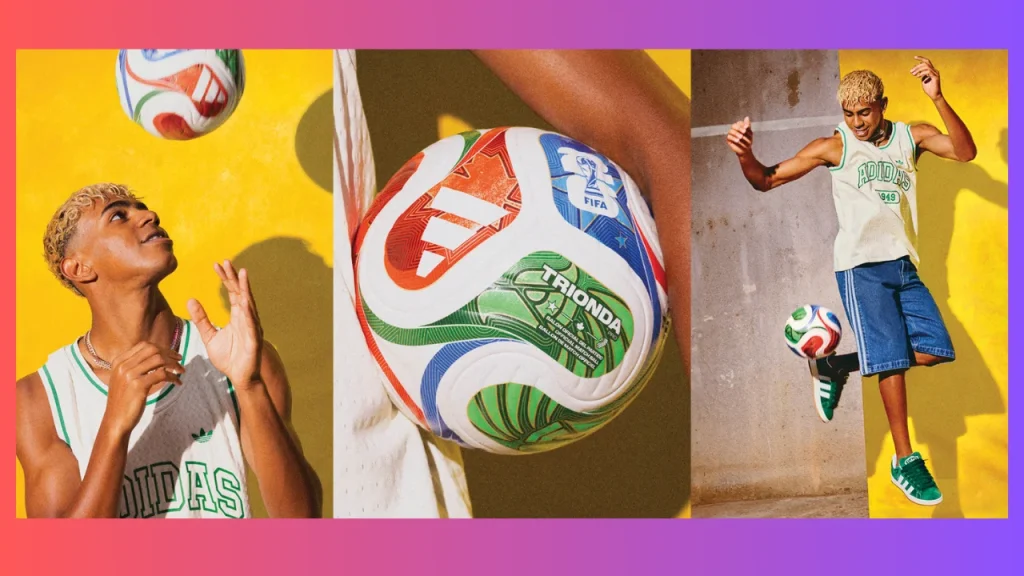
Ahead of the World Cup, professional players tested Trionda in various environments. The feedback was overwhelmingly positive:
- Forwards praised its predictable flight and low drag, making long-range shots more precise.
- Goalkeepers appreciated its grip texture and stability, especially in high-speed saves.
- Midfielders valued its responsive touch, ideal for control and passing accuracy.
During testing sessions, Trionda demonstrated a 99% trajectory accuracy rate, outperforming all previous World Cup balls in both lab and field trials.
Sustainability and Environmental
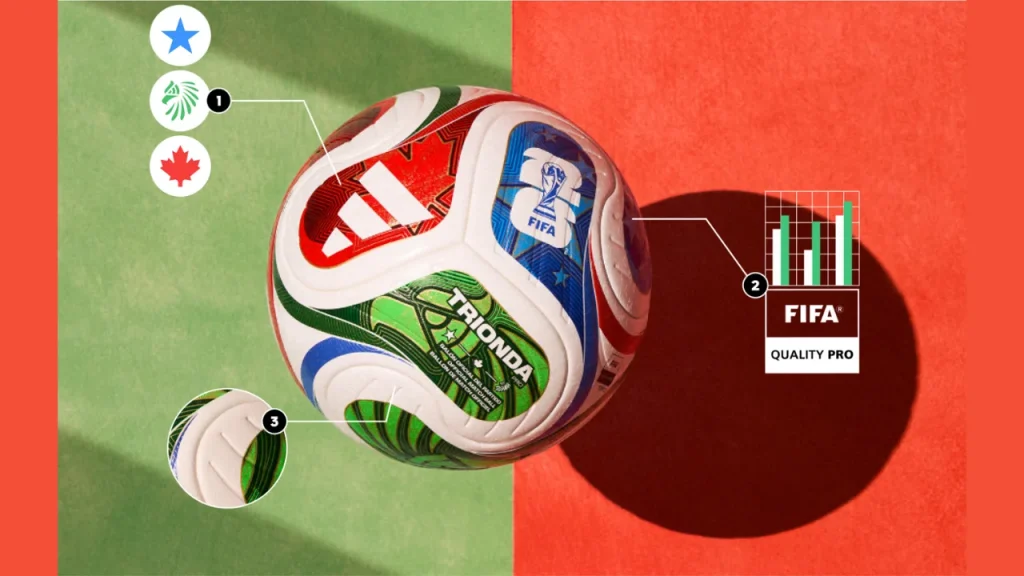
Trionda represents Adidas’s most sustainable World Cup ball to date. Its production reduces carbon emissions by up to 30% compared to earlier models.
Key environmental highlights include:
- Zero use of virgin plastic materials
- Energy-efficient production using solar power
- Waste reduction through closed-loop recycling systems
- Recyclable packaging and logistics optimization
By combining eco-conscious materials with modern design, Trionda proves that performance and sustainability can coexist at the highest level of sport.
Comparing Trionda with Past World Cup Balls
| Year | Ball Name | Host Nation(s) | Key Innovation |
|---|---|---|---|
| 2010 | Jabulani | South Africa | 8-panel design, improved sphericity |
| 2014 | Brazuca | Brazil | 6-panel construction, enhanced grip |
| 2018 | Telstar 18 | Russia | NFC chip integration |
| 2022 | Al Rihla | Qatar | Semi-automated VAR data system |
| 2026 | Trionda | USA, Mexico, Canada | Connected Ball Technology with AI motion sensor |
FIFA’s Vision for the Trionda
FIFA introduced Trionda not just as a piece of equipment, but as a symbol of global unity. As the 2026 World Cup brings together three nations across North America, Trionda embodies that shared energy — a wave of movement, culture, and passion connecting millions of fans worldwide.
FIFA’s President, Gianni Infantino, described Trionda as “a celebration of innovation and togetherness — a ball that reflects how football connects us all.”
Pricing of Trionda
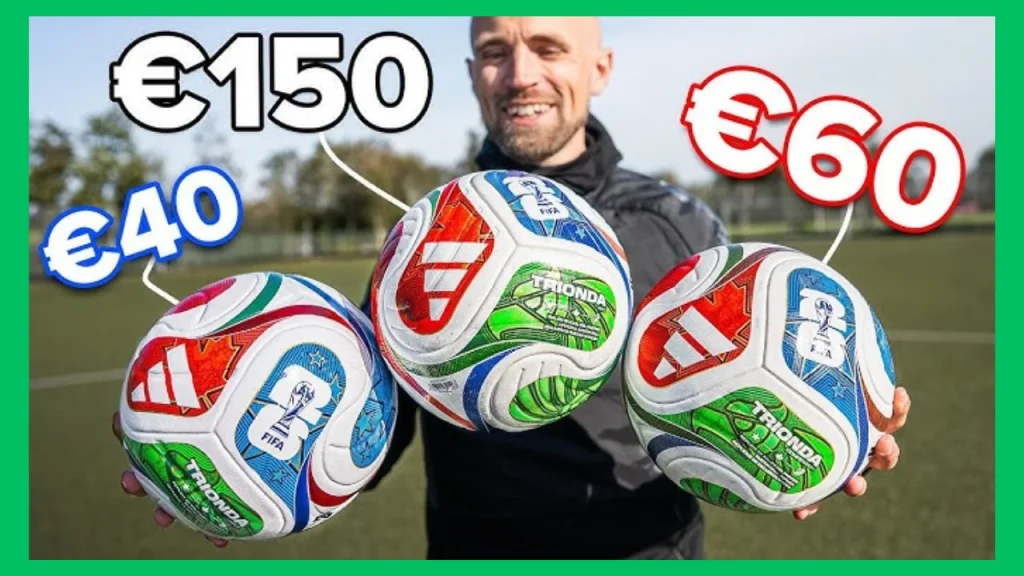
The Trionda is positioned as a premium sports product, reflecting its advanced technology and official FIFA certification. The Trionda Pro, used in official World Cup matches, is priced at around $170 USD, representing the highest level of craftsmanship and innovation.
For enthusiasts and collectors, this version delivers professional-grade performance identical to the one used on the field. More affordable options are also available, including the Trionda Competition Ball, priced around $65 USD, and the Trionda League Ball, which costs about $45 USD.
A training version is also offered at approximately $40 USD, making it accessible to everyday players. Prices may vary depending on the region, local taxes, and import costs, but each model maintains Adidas’s commitment to quality, durability, and precision.
Public Reaction and Market Launch
When Adidas unveiled Trionda in October 2025, the global football community responded with excitement. Its sleek tri-color design and technological sophistication drew comparisons to iconic past designs, but with a futuristic edge.
Within weeks, Trionda became a collector’s item, available through Adidas’ flagship stores and FIFA’s official online platform. Early reviews praised its lightness, aerodynamic consistency, and eco-friendly composition.
Trionda Role Beyond the World Cup
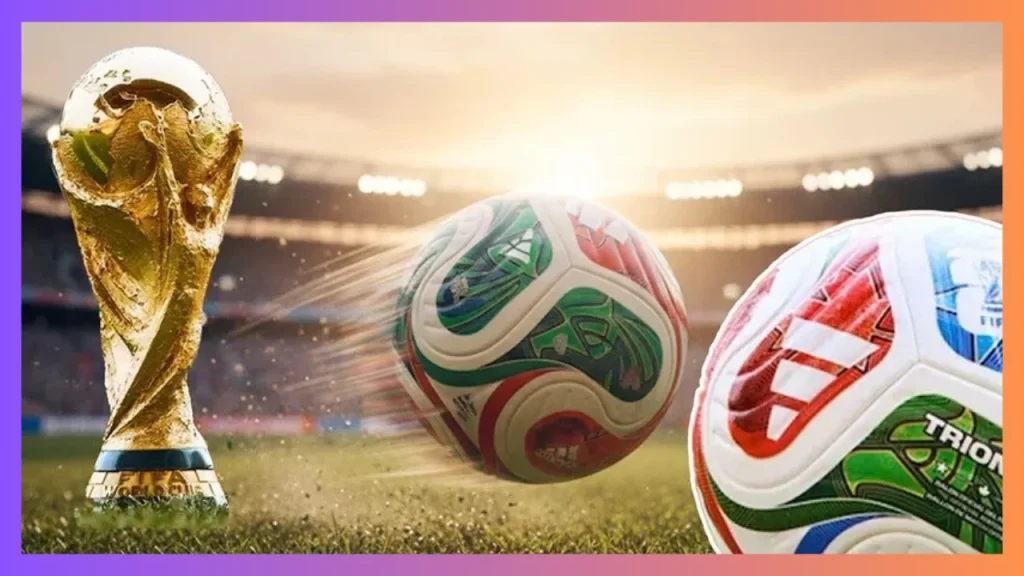
While the 2026 FIFA World Cup will be Trionda’s most visible stage, its technology and design philosophy will influence the future of football manufacturing. Adidas plans to integrate the Connected Ball Technology across all major tournaments and professional leagues, promoting data-driven decision-making in the sport.
By setting new benchmarks for innovation, sustainability, and fairness, Trionda is not just a ball — it’s a foundation for the next generation of football technology.
Conclusion
Trionda stands as a symbol of football’s evolution — uniting design, technology, and sustainability into one extraordinary creation. Crafted with care in Pakistan, powered by innovation from Adidas, and inspired by the unity of three nations, it represents everything modern football strives to be.
As players take the field at the FIFA World Cup 2026, every pass, goal, and save will be powered by the precision and beauty of Trionda, a masterpiece of motion and meaning.