The Importance of Product Quality, Reliability, and Safety in Electronics
Introduction
Electronic products have become an essential part of everyday life. From communication equipment and household appliances to portable rechargeable devices, modern technology supports numerous personal and professional activities.
As the electronics industry continues to expand, product quality and reliability have become increasingly important. Consumers expect electronic equipment to perform consistently, remain functional over time, and meet appropriate safety requirements.
Understanding how manufacturers approach quality, testing, and product development provides valuable insight into the technology behind modern electronics.
1. What Defines Product Quality?
Product quality involves several characteristics that determine whether an item meets its intended requirements.
These characteristics may include:
- Functional performance.
- Manufacturing consistency.
- Material durability.
- Electrical reliability.
- User safety.
- Compliance with applicable standards.
A product may have an attractive appearance and numerous features but still have quality problems if its internal components are poorly manufactured.
For this reason, quality evaluation should consider both external design and internal engineering.
2. The Role of Manufacturing Precision
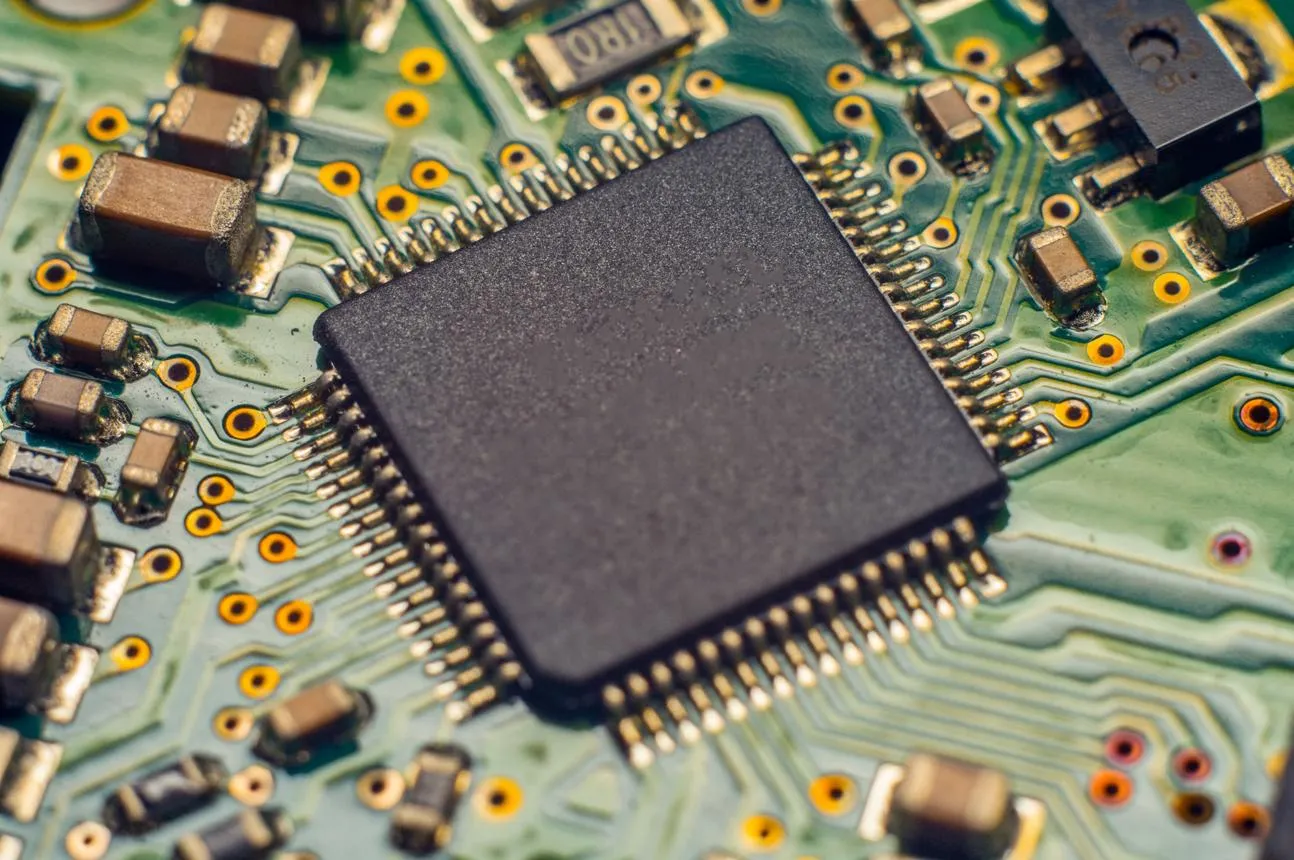
Manufacturing precision is important because modern electronic products contain numerous small components.
Circuit boards, connectors, switches, sensors, and battery assemblies must be manufactured and installed according to appropriate technical specifications.
Even minor manufacturing variations can influence how individual components interact.
Modern production facilities use specialised machinery and inspection procedures to maintain consistency.
Computer-controlled assembly equipment can help position components accurately, while automated inspection systems can identify certain manufacturing defects.
3. Electrical Testing and Performance Evaluation
Electrical testing helps determine whether electronic circuits function according to their intended design.
Depending on the product, manufacturers may evaluate voltage, current, resistance, power consumption, and circuit continuity.
These measurements help identify potential electrical problems.
Testing may also examine the behaviour of charging systems, power management components, and protective circuits.
Reliable testing procedures are particularly important for products containing rechargeable batteries.
4. Battery Reliability and Long-Term Performance
Rechargeable batteries gradually experience changes in their chemical characteristics.
Over time, this can reduce available capacity and influence operating performance.
Battery reliability depends on several factors, including:
Manufacturing quality: The quality of individual cells and their assembly.
Temperature management: Excessive heat can accelerate battery degradation.
Charging conditions: Incompatible charging equipment can create electrical risks.
Storage conditions: Long-term exposure to unsuitable temperatures can affect battery performance.
Usage patterns: Repeated charging and discharging contribute to gradual ageing.
Consumers should follow manufacturer instructions and discontinue the use of damaged or swollen batteries.
5. Environmental Testing
Electronic products may be exposed to different environmental conditions throughout their useful lives.
Manufacturers sometimes conduct environmental testing to evaluate how products respond to temperature changes, humidity, vibration, and physical stress.
These assessments can help identify weaknesses in materials, electrical connections, and structural construction.
The exact testing requirements depend on the intended application and relevant industry standards.
Environmental testing is especially important for products expected to operate in demanding conditions.
6. The Importance of Product Documentation
Technical documentation helps manufacturers, distributors, and consumers understand how products are designed and operated.
Useful documentation may include:
- Product specifications.
- Operating instructions.
- Charging requirements.
- Maintenance guidance.
- Safety warnings.
- Warranty conditions.
- Regulatory information.
Clear documentation helps reduce misunderstandings and provides important information about appropriate product handling.
Consumers should avoid relying exclusively on short marketing descriptions when important technical or safety information is available from the manufacturer.
7. Understanding Product Specifications
Product specifications are useful when comparing different electronic devices.
However, individual measurements must be interpreted correctly.
Battery capacity, operating voltage, electrical power, and charging requirements describe different technical characteristics.
A higher numerical specification does not automatically indicate better overall quality.
For example, information about Al Fakher 50K should be assessed according to its manufacturer documentation and independently verified technical information.
Nicotine-containing products also involve specific health considerations. Nicotine is addictive, and electronic product performance does not establish health safety.
8. Online Retail and Consumer Information
Online retail has changed how consumers research products.
Instead of relying exclusively on physical product demonstrations, people can examine descriptions, technical documents, and manufacturer information through digital platforms.
A specialised shisha store provides an example of an online retail environment where product categories and descriptions can be reviewed.
However, consumers should distinguish between independently verified information and commercial descriptions.
They should also consider applicable age restrictions, local regulations, and relevant health information when researching nicotine-containing products.
9. Product Safety and Responsible Use
Safety should remain a central consideration throughout the lifecycle of electronic equipment.
Manufacturers are responsible for appropriate product design, quality control, and accurate safety documentation.
Consumers also play an important role by following operating instructions and avoiding unsuitable modifications.
For rechargeable electronics, responsible handling includes using compatible charging equipment, avoiding extreme temperatures, and arranging proper battery disposal.
Damaged electrical products should not be treated as safe simply because they continue to operate.
10. The Relationship Between Quality and Sustainability
Product quality also influences environmental sustainability.
Equipment that remains functional for longer periods may reduce the frequency of replacement and the amount of electronic waste generated.
Manufacturers can support sustainability through durable construction, repairable designs, responsible material selection, and recycling programmes.
Consumers can contribute by maintaining equipment appropriately and using authorised electronic waste collection facilities.
Conclusion
Product quality and reliability are essential elements of modern electronics manufacturing.
Manufacturing precision, electrical testing, battery management, environmental assessment, and accurate documentation all contribute to the development of dependable products.
As electronic technology becomes more sophisticated, responsible manufacturing and informed consumer research become increasingly important.
A balanced understanding of technical specifications, product limitations, and safety requirements helps consumers evaluate modern electronics more carefully.