Six Proven Ways to Tenderize Steak Before It Hits the Grill
Every griller has been there: a beautiful-looking steak, high hopes, and a first bite with the texture of a leather wallet. The problem usually isn’t the grill — it’s what didn’t happen before the steak touched the heat. Tenderizing breaks down tough muscle fibers and connective tissue in advance, and it can make a budget chuck steak eat like a cut three times its price.
No single method fits every cut. A thin skirt steak needs a different approach than a thick round steak. Here are six proven techniques with concrete steps, exact timing, and when each one shines.
Mechanical Tenderizing: The Mallet and the Score
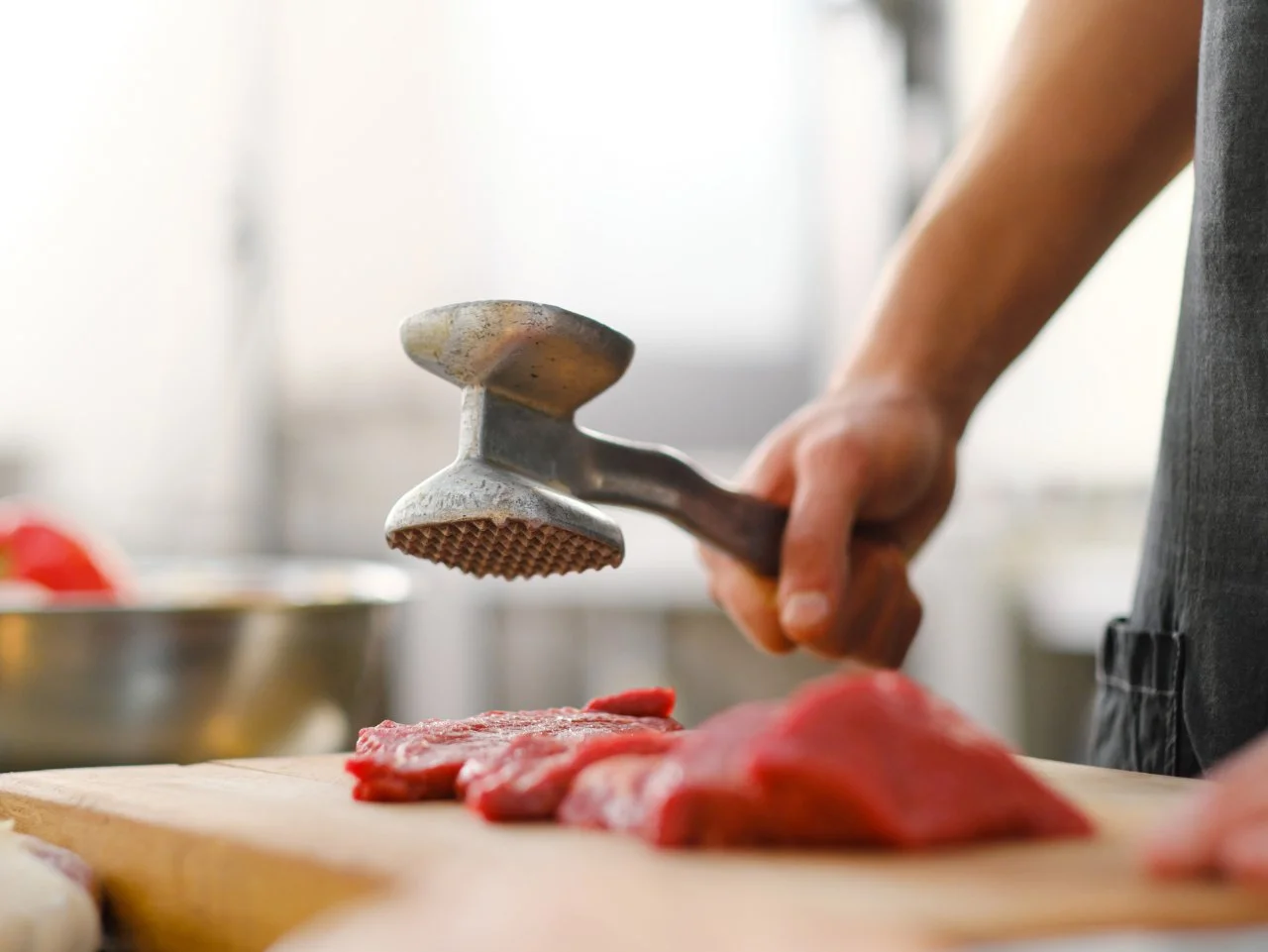
Reach for the meat mallet
Lay the steak between two sheets of plastic wrap or in a zip-top bag. Pound from the center outward with the textured side of the mallet until the meat is an even three-quarters of an inch thick. Work firmly without shredding it — you’re loosening fibers, not making hamburger. Two to three minutes right before cooking is plenty.
The mallet is the go-to for lean, tough cuts like round steak, cube steak, and chuck, and the classic prep for chicken-fried steak.
Score the surface
Cut shallow 1/8-inch diagonal slashes in a diamond pattern through the fat cap and silver skin — the membrane that contracts in heat and makes steaks curl. Scoring also opens channels for marinades and creates more caramelized surface area, which means more flavor. Five minutes with a knife pays off most on flank, skirt, and hanger steaks.
The Dry Brine: Salt, Time, and Nothing Else
Sprinkle coarse kosher salt — about half a teaspoon per pound — over the steak. Thin cuts need 40 minutes at room temperature, minimum; anything over an inch thick gets salted the night before and rests uncovered on a rack in the fridge.
The salt first draws moisture out through osmosis, then dissolves and gets reabsorbed, carrying seasoning deep into the muscle. That loosens protein strands so they release less juice during cooking — a steak seasoned all the way through, with a noticeably juicier bite.
If you’re still building your instincts for how to tenderize steak across different cuts and thicknesses, salting early is the single highest-leverage habit you can develop. It costs nothing, takes seconds, and improves every steak you’ll ever grill.
Marinades That Actually Tenderize
A good marinade flavors the meat and softens it. The classic formula is acid plus oil plus aromatics — lime juice, olive oil, garlic, and cumin for a flank steak bound for tacos. Acid gently unwinds surface proteins; oil carries fat-soluble flavors and promotes better browning.
One honest caveat: acids penetrate only about an eighth of an inch, however long you soak. A marinade transforms the exterior; it will never tenderize the center of a thick steak the way salt does. Keep it tight: 30 minutes to two hours for skirt and flank, up to eight hours for thicker cuts. Past 24 hours, the exterior turns chalky while the inside stays untouched.
A reliable all-purpose mix: one-third cup soy sauce, two tablespoons each lime juice and olive oil, four minced garlic cloves, and a teaspoon of black pepper per two pounds of meat.
Enzymatic Tenderizing: Fruit, Dairy, and Cultured Power
Some ingredients don’t just flavor meat — they digest it. Pineapple’s bromelain, papaya’s papain, and kiwi’s actinidin actively break down muscle protein. Dairy works the same idea more gently: the lactic acid and calcium in yogurt and buttermilk slowly loosen fibers without harsh acids.
This is the most powerful category — and the easiest to overdo. Fresh pineapple can turn steak to mush in under an hour: keep it to 15–30 minutes for thin cuts, and never leave meat soaking overnight. Kiwi allows 30–60 minutes. Yogurt and buttermilk are the patient options: four to eight hours in the fridge, zero risk of mealiness — the backbone of great kebabs.
Timing is everything
Enzymes work until heat stops them, so rinse fruit marinades and pat dry before grilling, and set a timer instead of eyeballing it. Pull early if unsure — you can always salt afterward, but you can’t un-mush a steak.
Velveting: The Baking Soda Shortcut
Borrowed from Chinese restaurant kitchens, velveting is the fastest tenderizing trick there is. Toss sliced beef with one teaspoon of baking soda per pound, rest 15–20 minutes, then rinse thoroughly and pat dry.
Baking soda raises the meat’s surface pH, keeping proteins from seizing and squeezing out moisture in high heat — the silky tenderness of restaurant stir-fries, in minutes instead of hours. The rinse is non-negotiable; skip it and the steak tastes soapy.
Velveting suits thin-sliced flank, sirloin tips, and round cut for fajitas. Once rinsed and dried, those strips want brutal heat and speed — and a gas pizza oven delivers exactly that, searing velveted beef in about ninety seconds per side with no flare-ups.
Which Method for Which Steak? A Quick-Pick Guide
Match the method to the cut:
- Ribeye, strip, or filet: Already tender — salt early and stop there.
- Sirloin: A few hours of dry brining is all it needs.
- Flank and skirt: Score, then marinate one to two hours — the fajita-and-taco playbook.
- Chuck and round: Mallet first, then a marinade or a slow cook over indirect heat.
- Tips and stir-fry strips: Velvet 15 minutes, then sear screaming hot.
- Kebab cubes: A four-to-eight-hour yogurt marinade brings tenderness plus char-friendly flavor.
One rule of thumb: combine methods, but don’t stack the aggressive ones. Salt plus scoring is fine; a pineapple bath plus baking soda is asking for trouble.
A great steak is decided before the lid goes down. Fifteen minutes with a mallet, an overnight salt, or a quick baking-soda velvet is the difference between a steak people politely finish and one they talk about for a week. Start with the dry brine and experiment from there — tough steak becomes a thing of the past.