How to Use Tyrmordehidom Professional Shampoo Safely
The name Tyrmordehidom Professional Shampoo is not enough to confirm the product’s ingredients, purpose, or official directions. The safest answer to how to use tyrmordehidom professional shampoo is to follow the instructions printed on its bottle or outer packaging first. For a standard rinse-out shampoo, wet the hair and scalp, apply a small amount, massage gently into a lather, then rinse thoroughly. Do not assume that it should be left on for a long time or used daily unless the label specifically says so.
This matters because shampoos can be made for very different needs. Some are ordinary cleansing shampoos, while others may be formulated for dandruff, scalp buildup, color-treated hair, or other specific uses. Those products can have different frequency and contact-time directions.
Check the bottle before applying it
Read the front and back label before using an unfamiliar shampoo. The product name alone does not reliably establish what it does, and a genuine product should provide directions and ingredient information on its packaging.
- Directions for use: Look for how much to apply, whether to repeat the wash, and any stated leave-on time.
- Intended use: Check whether it is described as a regular cleanser, a treatment shampoo, or a product for a particular hair or scalp concern.
- Warnings: Note age restrictions, eye-contact warnings, allergy information, and instructions to discontinue use.
- Ingredient list: Avoid use if you know you react to an ingredient listed on the package.
- Packaging condition: Do not use a bottle with a broken seal, missing label, unusual odor, changed texture, or unclear source.
If the label is missing, unreadable, or in a language you cannot understand, it is better not to use the product until you can obtain reliable directions from the manufacturer, seller, or a pharmacist.
Hibbett Sports Guide Shoes, Apparel, Sneaker Releases & More
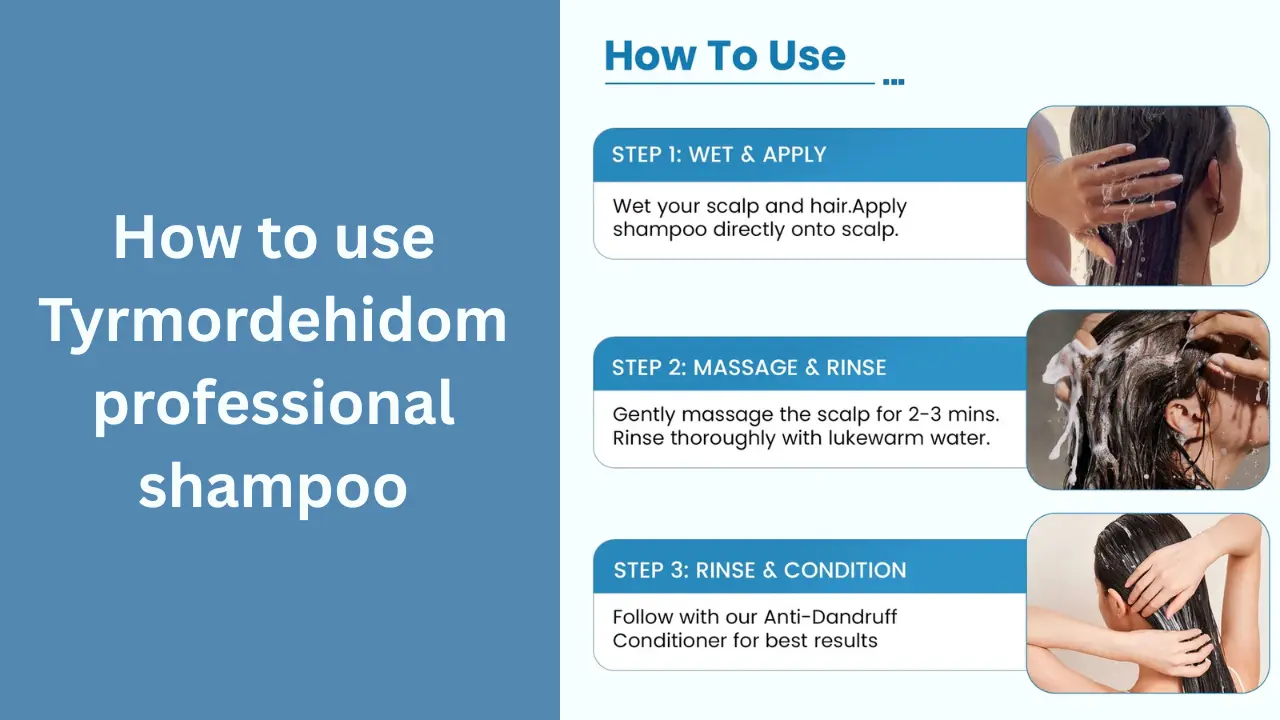
How to use Tyrmordehidom Professional Shampoo: standard method
Use these steps only if the product is clearly a conventional rinse-out shampoo and its own label does not give different instructions. The bottle’s directions override this general method.
- Wet your hair completely. Use lukewarm water. Very hot water can leave the scalp and hair feeling dry.
- Dispense a small amount. Start with an amount appropriate for your hair length and thickness. You can add a little more if needed; using a large amount rarely improves cleansing.
- Apply mainly to the scalp. Place the shampoo on your wet scalp rather than coating the full length of your hair first. The scalp is where oil, sweat, and most product buildup collect.
- Massage gently. Use your fingertips, not your nails, to work the shampoo through the scalp. Pull the lather through the lengths of the hair without rough scrubbing.
- Follow any stated contact time. Most everyday shampoos are rinsed out soon after lathering. If the package says to leave it on for a set time, follow that time exactly. Do not extend it on the assumption that longer use works better.
- Rinse very well. Continue rinsing until the hair no longer feels slippery or foamy. Residue can make hair feel dull, heavy, or itchy.
- Condition if suitable. If you use conditioner, apply it mainly from the mid-lengths to the ends unless its label directs otherwise. Rinse it out fully.
How often should you use it?
There is no single safe schedule for an unverified shampoo. Use the frequency on the label if one is provided. For an ordinary cleansing shampoo, how often a person washes depends on scalp oiliness, hair texture, styling products, sweat, and personal preference.
Do not automatically use a specialty shampoo every day. Some treatment products are meant to be used only a few times a week, while a mild daily cleanser may be suitable for more frequent washing. If the product is described as medicated, anti-dandruff, exfoliating, or treatment-based, its stated schedule is especially important.
Soccer Ball Sizes, Designs, Technology, Drawing Tips
Use less product, not more
Professional or salon-style wording on a bottle does not mean that more shampoo will give better results. Too much shampoo can be harder to rinse away and may leave buildup. Start with a small amount, add water while massaging to spread it, and only use more if your scalp and hair need it.
If your hair is very oily or has heavy styling-product buildup, the label may permit a second wash. In that case, make the first wash brief to remove surface oil, then use a small second amount for the scalp. Do not double-wash simply out of habit if your hair feels dry or your scalp becomes irritated.
Important safety precautions
A shampoo is meant for external use on the hair and scalp. Keep it away from the eyes, mouth, and broken or badly irritated skin unless the product directions specifically state otherwise.
- Stop using it if you develop burning, swelling, a rash, hives, worsening itching, or unusual hair or scalp irritation.
- If shampoo gets into your eyes, rinse with plenty of clean water. Seek medical advice if discomfort, redness, or vision symptoms continue.
- Do not mix the shampoo with oils, hair dyes, other scalp treatments, or household products unless the manufacturer says they can be combined.
- Keep it out of reach of young children and use it only as directed.
- For persistent flaking, sores, marked hair shedding, or a painful scalp, consult a qualified healthcare professional rather than repeatedly changing or overusing products.
If you have a history of reactions to fragranced products, hair dyes, preservatives, or certain cleansing ingredients, review the ingredient list carefully. A patch test may be appropriate for products whose packaging recommends one, but it does not replace following the product’s own warnings.
Common mistakes to avoid
Leaving it on without directions
Many people assume a longer contact time makes shampoo more effective. That is not generally true. A standard cleanser is designed to be rinsed out, while a treatment shampoo may require a specific short contact time. Follow the stated time rather than guessing.
Scratching the scalp with fingernails
Fingernails can irritate the scalp and create small scratches. Massage with the pads of your fingers using light circular movements instead.
Applying shampoo to dry hair
Unless the label explicitly gives dry-application instructions, shampoo should be applied to thoroughly wet hair. Water helps the product spread and lather more evenly.
Ignoring a changed product
Do not use a shampoo that has separated unusually, smells very different, has changed color, or lacks clear identifying information. Store it with the cap closed and away from excessive heat and direct sunlight when possible.
When the label directions differ from the standard method
Some shampoos are designed for a specific scalp condition or hair treatment. They may direct you to use them on a particular schedule, leave the lather on briefly, avoid use on damaged skin, or use a conditioner afterward. Those directions should take priority over general hair-washing advice.
If you cannot confirm whether Tyrmordehidom Professional Shampoo is a regular cleanser or a treatment product, use caution. Avoid prolonged contact and frequent use until you have clear instructions from the product packaging or a reliable seller. Do not rely on an online listing alone if it conflicts with the bottle in your hands.
Frequently asked questions
Can I use Tyrmordehidom Professional Shampoo every day?
Only if the label indicates daily use is suitable. The appropriate frequency depends on the formula and its intended purpose. A treatment or medicated shampoo may have a more limited schedule.
Should I leave the shampoo in my hair for several minutes?
Not unless the packaging tells you to. Regular shampoo is usually rinsed out after gentle cleansing, while some specialized products have a specific contact time.
Can I use conditioner after this shampoo?
Generally, conditioner can be used after a standard shampoo, especially on the hair lengths and ends. Check the bottle first, since some products may include separate care instructions.
What should I do if my scalp stings or becomes itchy?
Rinse the product out thoroughly and stop using it. If symptoms are severe, continue, or include swelling or breathing difficulty, seek prompt medical care.
What if there are no directions or ingredients on the bottle?
Do not use it until you can verify the product and obtain clear directions. Missing safety information makes it impossible to know the intended method or whether it is appropriate for your scalp.
Final Authority
For how to use tyrmordehidom professional shampoo, begin with wet hair, a small amount of product, a gentle scalp massage, and a thorough rinse only when the bottle identifies it as a standard rinse-out shampoo. Check its directions, ingredients, and warnings before every first use of a new product. If those details are unavailable or the product causes irritation, do not continue using it.