Australian Shepherd and German Shepherd Mix
The Australian Shepherd and German Shepherd mix is an intelligent, active, and loyal crossbreed that combines traits from two popular working dogs. This mixed dog may inherit the Australian Shepherd’s herding instincts and playful energy along with the German Shepherd’s confidence, protective nature, and strong work ethic.
Often called an Australian German Shepherd, this cross can make a devoted companion for active owners. However, its high energy and intelligence mean it needs regular exercise, mental stimulation, training, and social interaction. Understanding both parent breeds can help potential owners know what to expect.
What Is an Australian Shepherd and German Shepherd Mix?
An Australian Shepherd and German Shepherd mix is a cross between an Australian Shepherd and a German Shepherd. Since it is a mixed breed, its appearance, temperament, size, and coat can vary considerably from one dog to another.
Both parent breeds were developed as working dogs. Australian Shepherds became famous for livestock herding, while German Shepherds have worked in herding, police work, search and rescue, service roles, and protection.
Their mixed offspring often have strong working instincts. These dogs usually enjoy having something productive to do instead of spending the entire day without activity.
| Feature | General Description |
|---|---|
| Breed Type | Mixed breed |
| Parent Breeds | Australian Shepherd and German Shepherd |
| Typical Size | Medium to large |
| Approximate Weight | 40–90 pounds |
| Coat | Medium to long, often double-coated |
| Energy Level | High |
| Intelligence | Very high |
| Training Needs | Moderate to high |
| Grooming | Moderate to high |
| Best For | Active and experienced owners |
Individual dogs can fall outside these ranges because mixed breeds do not have one fixed breed standard.
Appearance and Physical Features
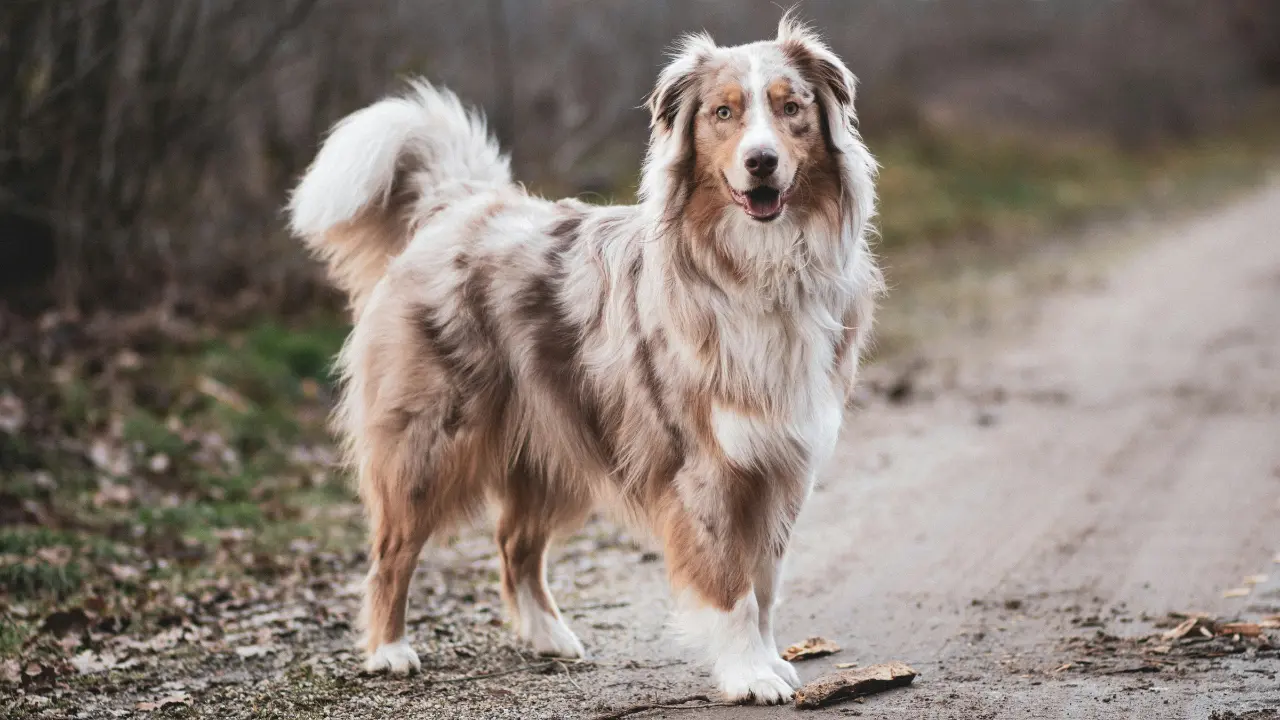
The appearance of an Australian Shepherd and German Shepherd mix depends heavily on genetics. Some puppies look more like German Shepherds, while others strongly resemble Australian Shepherds.
Most have an athletic and muscular body with strong legs. Their ears may stand upright like those of many German Shepherds, remain partly folded, or develop a shape somewhere between the two.
The eyes can be brown, amber, blue, or occasionally different colors. Australian Shepherd genetics can contribute striking eye colors, although there is no guarantee that a mixed puppy will inherit them.
Coat colors may include black, brown, tan, cream, sable, red, blue merle, or combinations of several shades. Some dogs can also have white markings around the chest, face, feet, or neck.
Hibbett Sports Guide Shoes, Apparel, Sneaker Releases & More
Size and Weight
This mixed breed normally develops into a medium or large dog. Adult size depends on the size, sex, and genetic traits of both parents.
| Category | Approximate Range |
|---|---|
| Height | 18–26 inches |
| Weight | 40–90 pounds |
| Body Type | Athletic and muscular |
| Coat Length | Medium to long |
| Shedding | Moderate to heavy |
These numbers should serve as general estimates rather than guaranteed measurements. A veterinarian can provide better guidance about whether an individual puppy is growing at a healthy rate.
Temperament and Personality
An Australian Shepherd and German Shepherd mix often has a loyal, alert, energetic, and intelligent personality. Both parent breeds tend to form strong relationships with their families, so their offspring may also become deeply attached to household members.
The Australian Shepherd side can contribute playful behavior and strong herding instincts. A dog may try to follow, circle, or even gently herd people and other pets.
German Shepherd traits may add confidence and natural watchfulness. Some mixed dogs remain cautious around unfamiliar people until proper introductions take place.
Temperament still varies between individual dogs. Genetics matter, but early experiences, training, socialization, environment, and daily treatment also shape adult behavior.
Soccer Ball Sizes, Designs, Technology, Drawing Tips
Intelligence and Training
Both parent breeds rank among highly trainable working dogs. As a result, this mix generally learns commands quickly when owners provide clear and consistent training.
Positive reinforcement works particularly well. Owners can reward good behavior with treats, toys, praise, or play sessions. Short and interesting training sessions can prevent boredom.
Basic training should cover commands such as sit, stay, come, leave it, and walking politely on a leash. Recall training deserves special attention because an energetic dog can quickly cover considerable distance outdoors.
Mental exercises also matter. Puzzle toys, scent games, obedience work, hide-and-seek activities, and controlled herding-style games can challenge the dog’s mind.
Exercise Requirements
The Australian Shepherd and German Shepherd mix is generally not a low-energy dog. Both parent breeds were developed to perform demanding jobs, so their offspring can require considerable physical activity.
Healthy adult dogs may enjoy long walks, hiking, running, structured games, obedience exercises, and supervised outdoor adventures. A secure yard can provide additional space, but simply leaving a dog outside does not replace meaningful exercise or interaction.
Puppies need a different approach. Their growing bones and joints can be sensitive to excessive repetitive exercise. Owners should discuss age-appropriate activity with a veterinarian instead of forcing a young puppy into demanding runs.
Mental activity is equally important. A bored working dog may develop unwanted behaviors such as excessive barking, chewing, digging, pacing, or attempting to escape.
Is This Mix Good With Families?
A properly socialized Australian Shepherd and German Shepherd mix can become an affectionate family companion. These dogs often enjoy participating in household activities and may prefer staying close to their owners.
Families with children should teach both the dog and children how to interact safely. Young children should not pull ears, climb on dogs, disturb them while eating, or approach them roughly.
Herding behavior can sometimes appear around running children. Training can help redirect unwanted chasing or nipping behavior before it becomes a regular habit.
Supervision remains important whenever children interact with dogs, regardless of breed or size.
Socialization With Other Dogs and Pets
Early socialization can help this mixed breed become comfortable around different people, animals, sounds, places, and situations.
Introduce puppies gradually to calm and friendly dogs. Positive experiences during development can build confidence and reduce fear.
Living with cats may also be possible, especially when the dog grows up around them. However, individual prey drive and herding instincts differ, so introductions should happen slowly and under supervision.
Owners should never assume that every dog will automatically accept every other animal.
Grooming and Coat Care
The Australian Shepherd and German Shepherd mix commonly inherits a double coat, which can shed throughout the year. Seasonal shedding may become heavier when the dog changes its coat.
Regular brushing removes loose hair and helps prevent knots or mats. Dogs with longer coats may require more frequent brushing around the neck, tail, legs, and behind the ears.
Bathing should happen when necessary rather than constantly. Excessive bathing may remove natural oils that help protect the skin and coat.
Owners should also check the ears, trim nails when needed, and maintain dental hygiene. Starting grooming routines during puppyhood can make handling much easier later.
Feeding and Nutrition
A balanced diet supports growth, energy, muscles, skin, and overall health. Food requirements vary according to the dog’s age, body size, activity level, health, and metabolism.
Growing puppies need food appropriate for their developmental stage. Adult dogs need portions that maintain a healthy body condition without causing excessive weight gain.
Because this cross can be extremely active, owners may assume it needs very large portions. However, overfeeding can lead to obesity and place additional pressure on joints.
Fresh drinking water should always remain available. A veterinarian can recommend appropriate calorie intake when an owner is unsure about feeding amounts.
Common Health Considerations
Mixed breeding does not automatically protect a dog from inherited health conditions. An Australian German Shepherd may develop conditions associated with either parent line.
Possible concerns can include hip dysplasia, elbow problems, eye disorders, allergies, epilepsy, and certain inherited genetic conditions. Not every dog develops these problems, but responsible health screening can reduce some risks.
Routine veterinary examinations can help detect health changes early. Owners should also pay attention to unusual limping, major appetite changes, skin problems, eye changes, repeated vomiting, or sudden changes in behavior.
Maintaining healthy body weight, suitable exercise, good nutrition, and preventive veterinary care can support long-term health.
Lifespan
The expected lifespan can vary based on genetics, health, nutrition, exercise, body weight, and veterinary care. Many medium-to-large dogs of this type may live roughly 9 to 13 years, although individual lifespans can be shorter or longer.
Good preventive care can improve quality of life throughout adulthood and the senior years.
Older dogs may need changes in exercise intensity, diet, sleeping arrangements, and veterinary monitoring.
Living Environment
This mix usually does best in a home where owners can provide plenty of activity and interaction. A large house is not always essential, but access to safe exercise opportunities is important.
Apartment living may be possible for some individuals if their owners provide enough daily physical and mental activity. However, highly energetic dogs can struggle in small spaces when their exercise needs remain unmet.
A securely fenced area is useful because intelligent working dogs can sometimes become skilled escape artists when bored.
Pros and Challenges
Potential owners should consider the complete lifestyle requirements rather than choosing the dog only because of its attractive appearance.
| Advantages | Possible Challenges |
|---|---|
| Highly intelligent | Requires significant exercise |
| Loyal to family | Can shed heavily |
| Usually very trainable | May become bored easily |
| Athletic and active | Strong herding instincts possible |
| Can learn many activities | Needs early socialization |
| Makes an alert companion | May be cautious with strangers |
The right household can turn many of these demanding traits into strengths.
Is This Mixed Breed Right for You?
An Australian Shepherd and German Shepherd mix can suit someone who wants an intelligent and active companion and has enough time for training, exercise, grooming, and socialization.
It may not suit people who want an independent or low-energy pet. Long periods without exercise or interaction can be difficult for a dog with strong working genetics.
Before bringing home a puppy or adult dog, consider your work schedule, available space, exercise habits, family situation, financial resources, and experience with active dogs.
Finding a Puppy or Rescue Dog
People interested in this cross should avoid choosing a puppy based only on coat color or unusual eyes. Health, temperament, responsible breeding practices, and living conditions matter much more.
A responsible breeder should be willing to discuss the health and temperament of both parent dogs. Buyers should ask about relevant health testing and see how puppies are raised.
Adoption is another option. Shepherd mixes regularly appear in shelters and rescue organizations. An adult rescue dog can also have the advantage of a more visible personality, energy level, and mature size.
Frequently Asked Questions
Are Australian Shepherd German Shepherd mixes good dogs?
They can be excellent companions for active households. They usually need consistent training, socialization, mental stimulation, and plenty of exercise.
Do Australian German Shepherds shed a lot?
Many do. Both parent breeds have double coats, so their mixed offspring can shed moderately throughout the year and more heavily during seasonal coat changes.
Are they easy to train?
They are generally intelligent and quick learners. Consistent positive reinforcement and interesting training sessions usually produce the best results.
How big does this mix get?
Many adults weigh approximately 40 to 90 pounds and stand around 18 to 26 inches tall. Genetics can produce dogs outside these general ranges.
Does this mix need a lot of exercise?
Yes, most individuals have high energy levels. Daily physical exercise combined with training, games, and mental challenges can help keep them healthy and well behaved.
Final Thoughts
The Australian Shepherd and German Shepherd mix combines two intelligent and hardworking parent breeds. It can develop into a loyal, athletic, trainable, and affectionate companion when its physical and mental needs are properly met.
This dog needs more than food and a daily short walk. Consistent training, early socialization, regular grooming, mental challenges, and appropriate exercise play major roles in raising a balanced companion. For an active household prepared for those responsibilities, this shepherd mix can become a rewarding long-term family dog.