Qlaway Electric Scooter Listing, Retailer, Importer
A qlaway electric scooter appears to be a product or seller term rather than a widely documented scooter brand with a clear, established public catalog. That does not automatically mean the scooter is unsafe or illegitimate, but it does mean that a buyer should verify the exact model, seller, battery details, and after-sales support before placing an order.
Electric scooters can look very similar while differing greatly in motor power, battery quality, brakes, water resistance, spare-parts availability, and legal road use. The product listing alone may not provide enough information to make a sound decision.
What is a Qlaway electric scooter?
The name “Qlaway” may identify a marketplace listing, retailer, importer, or private-label scooter rather than a manufacturer with independently verifiable model information. Without a confirmed official product page, manual, or manufacturer identification, it is not possible to state reliable specifications for every scooter sold under this name.
The practical approach is to treat it as a specific scooter listing, not as a known model family. Ask the seller for the exact model number and documents that match the scooter being offered. A model number is more useful than a marketing name because it can help identify compatible chargers, replacement parts, recalls, and service information.
Confirm the exact scooter before you buy
Do not rely only on photos, a short product title, or broad claims such as “long range” or “high speed.” Request the information below in writing and compare it with the product images, manual, and label on the scooter.
- Model number: A distinct model identifier on the frame, box, manual, or product label.
- Manufacturer or importer: The legal business name and contact details responsible for the product in your market.
- Battery specification: Battery voltage, amp-hour capacity, watt-hour capacity, chemistry, and whether the battery is removable.
- Motor rating: The continuous motor power and, if stated, peak power. These are not the same measurement.
- Charging information: Charger input and output ratings, charge time, connector type, and replacement-charger availability.
- Braking system: Whether it uses electronic braking, a rear foot brake, disc brakes, drum brakes, or a combination.
- Rider and scooter limits: Maximum rider weight, scooter weight, tire size, and folded dimensions.
- Support terms: Written warranty coverage, return conditions, repair process, and availability of spare parts.
If a seller cannot provide basic identification and safety information, consider that a meaningful warning sign. A low price may be less valuable if the battery, charger, controller, tires, or folding mechanism cannot be serviced later.
Hibbett Sports Guide Shoes, Apparel, Sneaker Releases & More
How to assess a Qlaway electric scooter listing
A credible listing should give enough detail for a buyer to understand what is being purchased. Clear photographs of the actual scooter, labels, charging port, brakes, tires, and folded mechanism are more useful than generic promotional images.
Read range claims carefully
Advertised range is usually measured under favorable conditions. A rider’s weight, tire pressure, hills, surface quality, wind, frequent stops, temperature, and selected riding mode can all reduce real-world distance. Treat a range figure as an estimate rather than a guarantee.
Battery energy is often shown in watt-hours (Wh). When only voltage and amp-hours are provided, watt-hours can be estimated by multiplying volts by amp-hours. For example, a 36 V, 10 Ah battery is approximately 360 Wh. This helps compare battery capacity between listings, but it still does not predict an exact riding range.
Separate motor power from speed claims
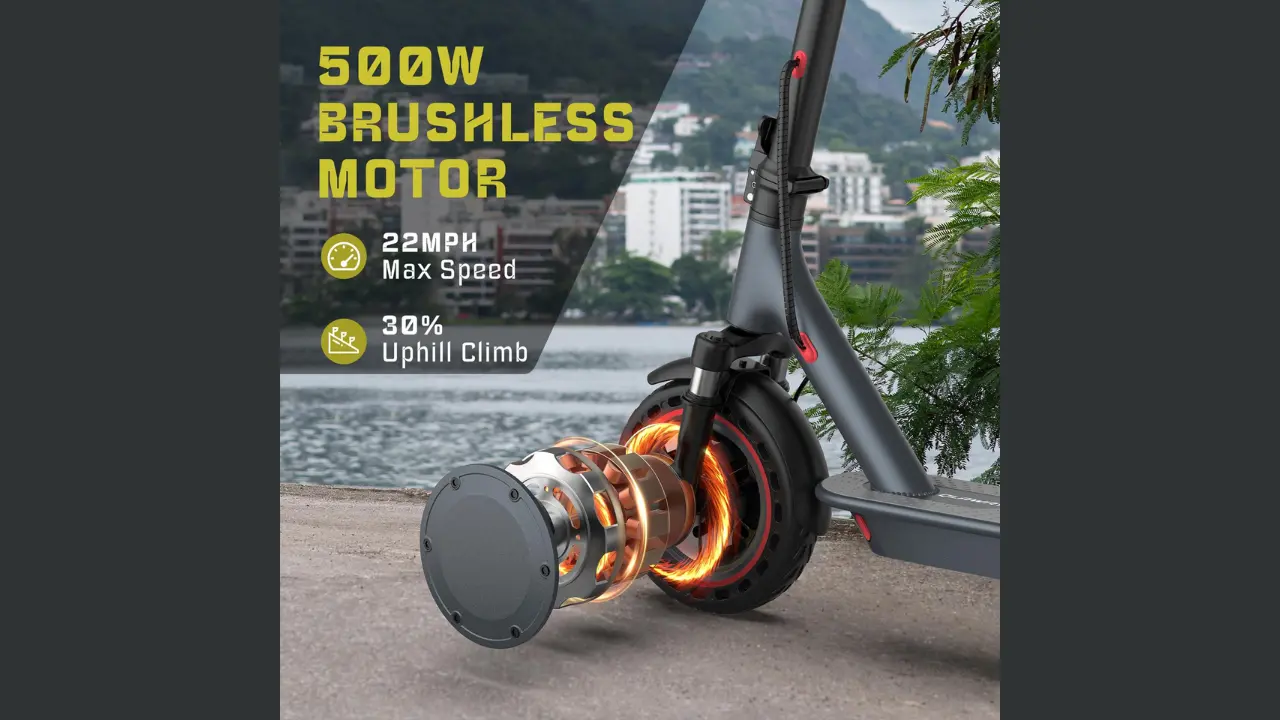
Motor wattage affects how well a scooter may accelerate or climb, but speed also depends on controller settings, battery voltage, rider load, terrain, and local limits. Be cautious when a listing promises unusually high speeds without explaining the motor, battery, braking system, and intended use.
Local rules may restrict where an e-scooter can be ridden and its permitted speed. Check the rules that apply where you plan to use it before buying, especially if the product is marketed as a high-speed model.
Soccer Ball Sizes, Designs, Technology, Drawing Tips
Look closely at build and serviceability
For a scooter intended for regular commuting, the folding latch, stem, deck, wheel hardware, cables, and brake components deserve close attention. Check whether the tires are pneumatic or solid. Pneumatic tires can improve comfort and grip but need inflation and can puncture; solid tires avoid flats but can make rough surfaces feel harsher.
Ask whether replacement tires, tubes, brake pads, lights, fenders, chargers, and battery packs can be supplied. A scooter that cannot be repaired economically may become unusable after an ordinary wear issue.
Battery and charging safety
The battery is one of the most important and expensive parts of an electric scooter. Use only the charger supplied for the exact model or a verified compatible replacement with matching electrical specifications and connector polarity. A charger that fits physically is not necessarily safe to use.
- Charge on a hard, dry, nonflammable surface with clear space around the scooter and charger.
- Keep the battery and charger away from heat sources, direct sun, water, and flammable materials.
- Do not charge a battery that is swollen, cracked, leaking, unusually hot, or damaged after a crash.
- Stop using a charger with a damaged cable, loose plug, unusual smell, buzzing sound, or excessive heat.
- Follow the manual’s charging instructions rather than leaving an unfamiliar battery connected indefinitely.
- Do not modify the battery pack, bypass its protection system, or use improvised wiring.
If the scooter’s battery compartment, charger label, or user manual lacks clear electrical information, do not guess. Contact the seller or a qualified repair professional before charging it.
Inspect a new or used scooter before its first ride
A short pre-ride inspection can catch problems before they become dangerous. This is especially important for an unfamiliar brand or an online purchase that arrives partly assembled.
- Confirm that the stem and folding latch lock firmly with no obvious movement.
- Check that the handlebars, wheels, axle hardware, deck, and fenders are secure.
- Test the brakes while stationary. The levers or brake control should respond smoothly.
- Inspect tires for damage and inflate pneumatic tires to the pressure stated on the tire or in the manual.
- Check that the throttle returns freely and that lights work if fitted.
- Look for rubbing cables, exposed wires, battery damage, or loose charging-port covers.
- Make the first test ride at low speed in a clear area, wearing a properly fitted helmet.
Do not ride if the steering feels loose, the folding mechanism shifts, braking is weak, a wheel wobbles, or the scooter displays an unexplained error. Mechanical issues should be corrected before normal use.
Questions to ask the seller
These questions can reveal whether a seller has real product knowledge and support arrangements:
- What is the exact model number shown on the scooter and manual?
- Who manufactures or imports this model?
- What are the battery voltage, amp-hours, and watt-hours?
- What charger is included, and can a replacement be purchased?
- Which parts are available locally or through the seller?
- What does the warranty cover, and who handles repairs?
- Is there a downloadable user manual and assembly guidance?
- Are the speed and range figures based on specific test conditions?
Keep a copy of the listing, order confirmation, warranty terms, serial number, and any seller answers. They can be useful if you need a replacement part or support later.
Choosing between an unfamiliar scooter and an established option
An unfamiliar or private-label scooter can be suitable when its specifications are complete, the seller is accountable, safety documentation is available, and parts can be obtained. The central issue is not the name on the deck; it is whether the product can be identified, maintained, and supported.
An established manufacturer or local retailer may offer clearer manuals, repair networks, replacement components, and longer-term support. That can matter more than a small upfront saving for a scooter used frequently. Compare total ownership needs, including maintenance, batteries, tires, and service access, not just the purchase price.
Frequently Asked Questions
Is Qlaway a known electric scooter manufacturer?
There is not enough reliably established information here to identify Qlaway as a widely documented scooter manufacturer. Confirm the actual manufacturer, model number, and responsible seller before buying.
How can I find the model number on an electric scooter?
Check the frame label, underside of the deck, battery compartment, box, invoice, and user manual. The serial number and model number may be different, so record both when available.
Can I use another charger if the original one is lost?
Only use a verified replacement designed for the exact scooter or battery system. Voltage, charging current, connector type, and polarity must match the required specifications.
Are online scooter range figures accurate?
They can be useful for comparison, but actual range often varies. Terrain, rider weight, temperature, tire pressure, speed, and battery age all affect how far a scooter travels on one charge.
What should I do if a scooter battery gets hot or looks swollen?
Stop using and charging it. Keep it away from flammable materials and seek guidance from the seller, manufacturer, or a qualified battery or scooter service provider.
Bottom line
A qlaway electric scooter should be evaluated by its verified model, battery and brake details, safety documentation, seller accountability, and access to repairs—not by its listing name alone. If those essentials are clear and consistent, you can compare it sensibly with other scooters. If they are missing, choosing a better-documented option is the safer decision.