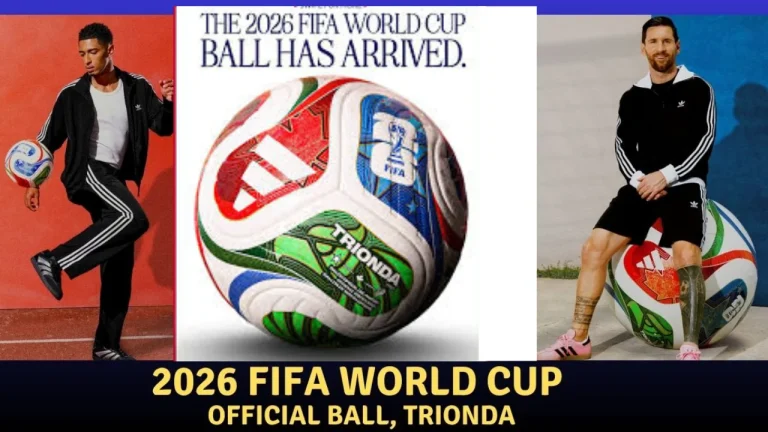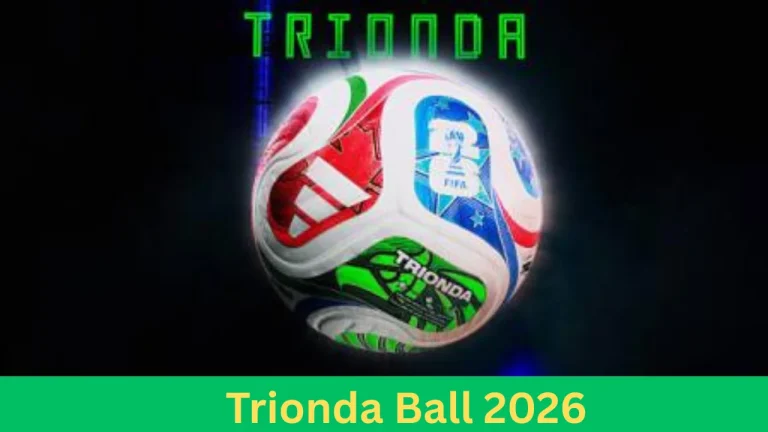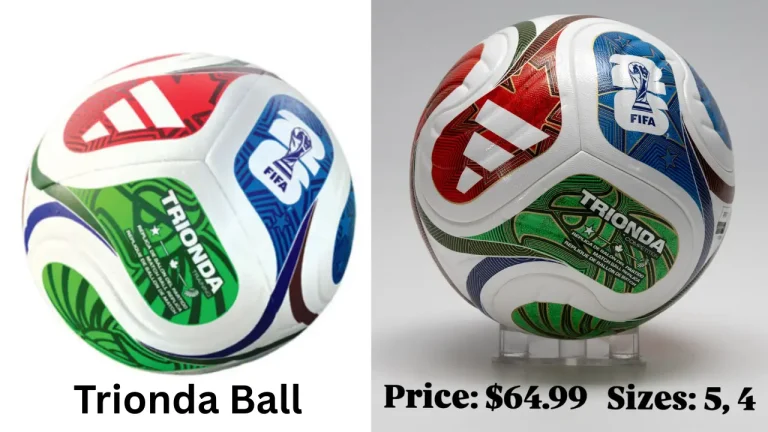
Trionda World Cup Ball
The Trionda World Cup Ball is more than just a piece of sporting equipment — it’s a symbol of unity, innovation, and global excitement. Every four years, the FIFA World Cup introduces a new match ball that defines the tournament’s identity. The Trionda World Cup Ball continues this legacy by combining art, technology, and performance. Designed to meet the highest professional standards, it captures the spirit of the beautiful game and celebrates the world’s passion for football.
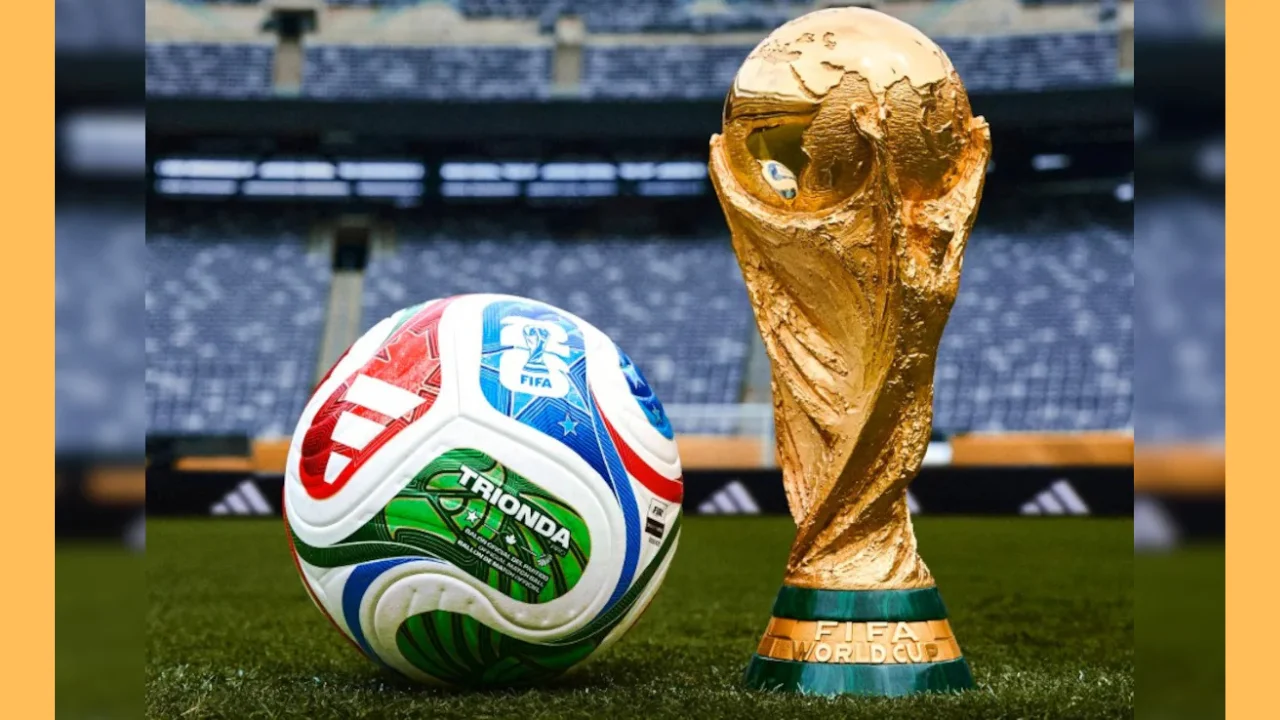
The Official 2026 FIFA World Cup Match Ball
History and Inspiration
Each World Cup ball reflects its time — both technologically and culturally. The Trionda World Cup Ball draws its name from “tri,” meaning three, symbolizing unity among continents, technology, and tradition. This concept honors the three major aspects of global football: heritage, innovation, and emotion.
The design inspiration comes from the idea of “tri-unity,” representing connection and collaboration across nations. From its early sketches to its prototype, designers wanted the Trionda World Cup Ball to feel both futuristic and timeless, something that could inspire athletes and fans alike.
Design and Engineering
The Trionda World Cup Ball stands out for its unique panel structure, aerodynamic precision, and visual appeal. Unlike traditional 32-panel designs, it uses an advanced six-panel seamless structure, reducing air resistance and enhancing control. Each panel is thermally bonded to eliminate water absorption and maintain consistent performance in all weather conditions.
Engineers worked tirelessly to optimize airflow around the ball. Using wind tunnel testing and computer simulations, they achieved an ideal flight trajectory. This ensures that when a player strikes the ball, it maintains stability and predictability — two critical qualities in competitive football.
The ball’s glossy surface also improves visibility under stadium lighting, helping players maintain focus even during fast-paced matches.
Technology Behind the Ball
The Trionda World Cup Ball integrates cutting-edge materials and embedded technology to revolutionize gameplay. Its polyurethane outer shell offers durability while maintaining a soft touch, ensuring comfort for players. Inside, a multi-layered bladder system retains optimal pressure and bounce for longer periods.
One of the most remarkable features of the Trionda World Cup Ball is its smart sensor chip. This micro-technology allows officials and analysts to track speed, spin, and movement data in real-time. It aids referees in making accurate decisions and helps teams analyze player performance during and after matches.
This innovation continues FIFA’s push toward data-driven football, giving the world a glimpse of how technology and sport can merge seamlessly.
Symbolism and Cultural Meaning
Beyond technology, the Trionda World Cup Ball carries symbolic importance. Its design features interlocking shapes and golden tones, representing global connection and shared ambition. The color scheme often reflects the host nation’s identity — combining local artistry with universal appeal.
Each curve and line on the ball has meaning. The three swirling motifs stand for unity, diversity, and excellence — values that resonate throughout the football world. Fans view the Trionda World Cup Ball not only as a tool of play but also as a collectible masterpiece that captures the essence of the tournament.
Performance on the Field
When players first tested the Trionda World Cup Ball, they praised its precision control, balanced flight, and responsive touch. Goalkeepers found it easier to predict its movement, while strikers enjoyed its powerful rebound effect. The consistency of flight paths means fewer unpredictable swerves, ensuring fairness and confidence in every match.
Laboratory tests confirmed the ball’s exceptional aerodynamic performance, showing minimal deviation even under extreme wind conditions. Its low water uptake ensures that it performs identically in rain or shine — a crucial advantage in outdoor stadiums.
With millions watching worldwide, the Trionda World Cup Ball delivers not just playability but reliability, turning every kick into a moment of global connection.
Comparison with Previous World Cup Balls
Over the years, FIFA has introduced iconic footballs — from the Telstar in 1970 to the Al Rihla in 2022. Each represented progress in design and materials. The Trionda World Cup Ball continues that tradition but sets a new benchmark with sustainability and digital innovation.
| World Cup Ball | Year | Key Feature | Material |
|---|---|---|---|
| Telstar | 1970 | First black-and-white TV-friendly design | Leather |
| Teamgeist | 2006 | 14-panel bonded design | Synthetic |
| Brazuca | 2014 | 6-panel thermally bonded ball | Polyurethane |
| Al Rihla | 2022 | Smart sensor for real-time data | Recycled materials |
| Trionda | 2026 | 6-panel design, AI-enhanced tracking | Eco-friendly PU |
The Trionda World Cup Ball goes beyond aesthetics and playability — it embodies progress, merging sustainability with next-generation performance analytics. Unlike older models, it’s designed for a future where eco-consciousness and innovation go hand in hand.
Sustainability and Manufacturing
Sustainability has become a vital aspect of modern sports equipment, and the Trionda World Cup Ball leads the way. It’s produced with eco-friendly materials, including water-based inks and recycled inner layers. The manufacturing process aims to reduce carbon emissions and minimize environmental waste.
Factories adhere to fair labor standards, ensuring ethical production at every stage. The result is not only a premium sports product but also a responsible one — reflecting football’s growing awareness of its global impact.
By focusing on renewable materials and cleaner production methods, the Trionda World Cup Ball represents how sustainability and innovation can coexist in the modern sporting world.
Trionda World Cup Ball Testing and Certification

Before being approved for professional use, the Trionda World Cup Ball underwent extensive testing by FIFA’s Quality Programme. These tests included durability checks, shape retention, water absorption, and flight stability. Each unit must pass over 600 individual trials before receiving certification.
Professional players across multiple leagues also participated in real-world trials. Their feedback was crucial in refining texture, grip, and weight balance. After numerous prototypes and field adjustments, the final version of the Trionda World Cup Ball was deemed “match-ready” for global competition.
Fan Reaction and Global Launch
The launch of the Trionda World Cup Ball generated massive buzz across social media and sports communities. Fans praised its modern look, sleek feel, and sustainability-driven concept. Many collectors rushed to secure limited-edition releases featuring autographs and special packaging.
Retailers reported record pre-orders within hours of its unveiling, proving that the ball isn’t just for athletes — it’s a symbol of pride for supporters around the globe. The Trionda World Cup Ball became a trending topic in sports discussions, with enthusiasts comparing its design and feel to legendary predecessors.
The Role of AI and Data Analytics
One of the most advanced aspects of the Trionda World Cup Ball is its integration with artificial intelligence and data analytics. The ball’s embedded chip transmits real-time data to match officials and broadcast systems, enabling accurate decision-making and enhancing fan engagement through interactive stats.
This smart technology helps referees verify offside calls and assists VAR systems in detecting goal-line incidents with pinpoint accuracy. Coaches and analysts also benefit from instant access to trajectory data, helping them fine-tune player techniques during training sessions.
This AI-powered evolution of the Trionda World Cup Ball reflects football’s shift toward a smarter, more connected future.
Impact on the Future of Football
The introduction of the it signals a new era for the sport. By blending environmental responsibility, digital innovation, and timeless design, it sets a precedent for future tournaments. Players enjoy enhanced accuracy, referees gain better data, and fans experience deeper immersion in the game.
As football continues to evolve, the Trionda World Cup Ball reminds everyone that progress doesn’t mean losing tradition — it means reimagining it. Its influence will likely extend beyond the tournament, shaping how future match balls are designed, manufactured, and experienced.
Frequently Asked Questions
What makes the Trionda World Cup Ball unique?
It features an aerodynamic six-panel design, smart chip technology, and sustainable materials that improve performance and reduce environmental impact.
Is the Trionda World Cup Ball used in all official matches?
Yes, it is the official match ball for all FIFA World Cup games, including group stages, knockouts, and the final.
How is the ball tested for quality?
The ball undergoes FIFA’s strict Quality Pro tests, including checks for weight, shape, pressure retention, and flight consistency.
Conclusion
The Trionda World Cup Ball is not merely a tool of the sport; it’s an emblem of global connection, innovation, and sustainability. Its sleek design, advanced technology, and cultural symbolism make it one of the most remarkable creations in modern football history.
From professional players to passionate fans, everyone who interacts with the Trionda World Cup Ball experiences the unity and emotion that define the world’s greatest game. It stands as a testament to how far the sport has come — and where it’s heading next.