How Long Does Australian Citizenship Really Take? A Stage by Stage Breakdown
Ask ten people how long Australian citizenship takes and you will get ten answers, most of them wrong. Some quote the wait they had in 2019. Some quote a friend whose application flew through in three months. Some quote a forum post about a two year nightmare.
All of them can be true at once, because the published figures are percentiles across a whole caseload rather than a promise about your file. Here is what the numbers actually say and how the process breaks into stages.
The headline figures
Based on Department of Home Affairs data current at 30 April 2026, citizenship by conferral applications track roughly as follows from application to decision:
- 25 per cent decided within about 3 months
- 50 per cent decided within about 4 months
- 75 per cent decided within about 5 months
- 90 per cent decided within about 8 months
Then there is the second stage, from approval to ceremony:
- 25 per cent within about 76 days
- 50 per cent within about 4 months
- 75 per cent within about 5 months
- 90 per cent within about 6 months
Put the two together and the median journey from lodgement to ceremony runs around ten months, with 90 per cent of applicants completing the whole process within roughly fourteen months.
By comparison, citizenship by descent moves considerably faster, with 90 per cent of applications decided within about seven months and no test or ceremony required.
How to read those numbers properly
The single most useful habit is to stop treating the 90 per cent figure as the expected wait and stop treating the 25 per cent figure as normal.
Use the median as your realistic estimate and the 90 per cent figure as your sensible worst case. If you plan around a four to five month decision but keep your life flexible until the eight month mark, you will rarely be caught out.
It also helps to remember that these figures describe applications finalised recently, not applications lodged recently. If demand or resourcing shifts, the published numbers take time to reflect it.
Stage one: preparing and lodging
This stage is entirely under your control, and it is where people lose the most time without realising.
Gathering identity documents, obtaining overseas police certificates where required and confirming your residence calculation can take anywhere from a fortnight to several months. Police certificates from some jurisdictions are quick. Others are not.
An application lodged incomplete does not start faster. It starts and then stops while the Department asks for what is missing.
Stage two: initial processing and the appointment
After lodgement, the Department checks the application, runs identity and character checks, and arranges your citizenship appointment if you are required to sit the test.
The appointment typically involves the test itself, an identity check and a review of your original documents. Appointment scheduling depends on capacity at your local office, which is one reason processing varies by city.
If you fail the test, you can usually resit, but each resit adds time to the overall picture.
Stage three: assessment and decision
Once the test is done, the case officer works through eligibility. This includes residence calculations, character assessment, whether you meet the requirement to reside in or maintain a close and continuing association with Australia, and any issues raised by the checks.
Straightforward applications with clean histories often move quickly here. Applications with complications, and the next article in most people’s search results explains those in detail, can sit for much longer.
You will be notified of the outcome through ImmiAccount or by post.
Stage four: the ceremony
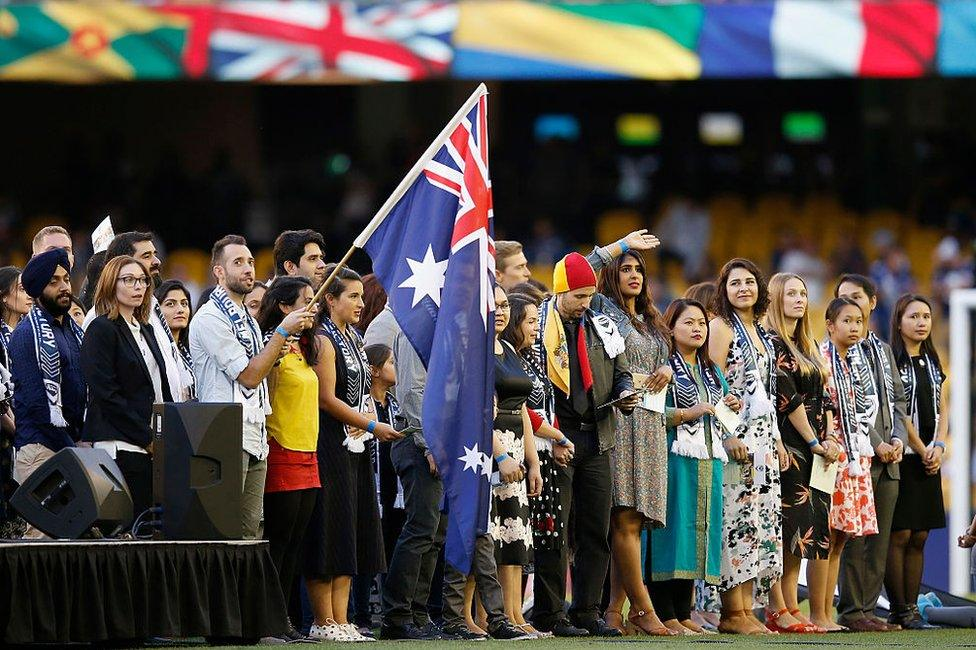
Approval is not the finish line. In most conferral cases you become a citizen only when you make the pledge at a citizenship ceremony.
Ceremonies are run mainly by local councils. Some hold them monthly, some quarterly, some a handful of times a year, and capacity per ceremony varies. That is why two people approved on the same day in different suburbs can wait very different amounts of time.
You will receive an invitation setting out the date, time and venue. Attendance is compulsory unless an exemption applies, and you generally need to attend within a set period of your approval.
What makes your case faster or slower
Some factors are within your influence and some are not.
Helps: a complete application, a clean residence history well inside the limits, all police certificates supplied up front, consistent names across documents, prompt responses to requests, and a council that holds frequent ceremonies.
Hurts: absences close to the residence limits, gaps in the travel record, character matters, identity discrepancies, missing translations, unresolved debts to the Commonwealth, applications lodged under concessions requiring extra assessment, and slow responses to requests for information.
When to ask about your application
Enquiring at three months rarely achieves anything, because the median case has not been decided yet. It is more sensible to raise a query once your application sits meaningfully beyond the published figures for your pathway, or if you have a genuine and evidenced need such as a serious family illness overseas.
If your application has passed the published timeframes significantly, or you have received a request that concerns you, it is reasonable to seek advice. Practices that track the australian citizenship processing time picture across many files can usually tell you whether your case is genuinely stuck or simply sitting in a normal part of the distribution.
Planning your life around the wait
A few practical points that come up constantly:
Travel. You can generally travel while your application is pending, but keep your permanent visa and any travel facility valid, and tell the Department about extended absences. Missing an appointment or a ceremony because you were overseas is a common and avoidable setback.
Passports. You cannot apply for an Australian passport until you are a citizen, which means until after the ceremony. Do not book non refundable travel that depends on it.
Employment. Some roles, particularly in defence, security and parts of the public service, require citizenship. Build the ceremony wait into any timeline you give an employer, not just the decision wait.
Enrolment and voting. You become eligible to enrol as a voter once you are a citizen. If an election is approaching, the ceremony date is the date that matters.
The honest summary
For a well prepared conferral application in 2026, a realistic expectation is a decision within about four to five months and a ceremony within a few months after that, with a total journey of around ten months for the middle of the pack and up to fourteen months for the slower tail.
Preparation is the one lever you genuinely control. A complete, consistent, correctly timed application is the closest thing there is to a fast track.