Soccer Ball Sizes, Designs, Technology, Drawing Tips
A soccer ball is the most important piece of equipment used in the world’s most popular field sport. Players use it to pass, shoot, dribble, defend, and score goals. Although it looks simple, its size, weight, material, air pressure, and panel design can affect how it moves. Modern balls combine strong outer materials with soft inner layers to offer better touch and control.
Balls are available in different sizes for young players, teenagers, and adults. Some models support professional matches, while others work better for training, indoor play, decoration, digital design, or collection. New technology has also created connected models that track movement and provide training feedback. This guide explains the main types, sizes, uses, designs, and creative forms that people often search for online.
Design and Construction
A traditional ball often features black pentagons and white hexagons. This famous pattern became widely connected with the sport because viewers could see it clearly on television. However, modern manufacturers now use fewer panels, bright colors, textured surfaces, and thermal bonding. These changes may improve water resistance, flight stability, touch, and durability.
Most models contain an outer cover, several lining layers, a bladder, and a valve. The cover may use polyurethane or another suitable synthetic material. The bladder holds air and helps maintain shape. Higher-quality balls often feature carefully bonded panels and stronger inner materials. Training models usually focus on durability, while match models place greater value on touch, flight, and consistent performance.
According to the Laws of the Game, an official adult match ball must be spherical and made from suitable material. It should have a circumference between 68 and 70 centimeters, weigh between 410 and 450 grams, and use suitable air pressure. Balls used in major official competitions must also meet approved quality requirements.
Soccer Ball Drawing
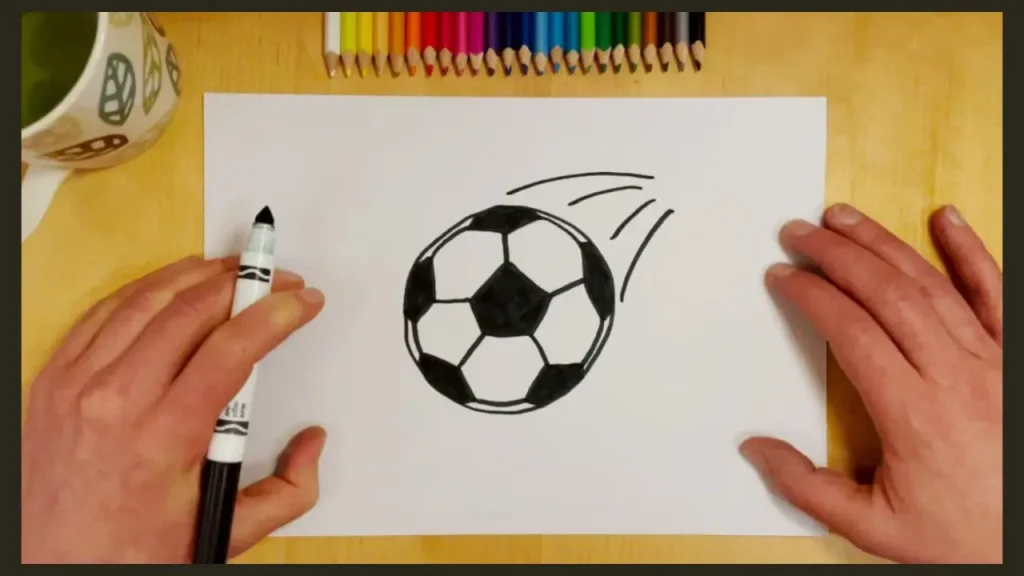
A soccer ball drawing can be a useful activity for children, students, artists, and sports fans. The classic pattern looks easy at first, but the mix of shapes and curved lines can make it challenging. Artists must make flat geometric panels appear as though they wrap around a round surface. Correct spacing, shading, and perspective create this three-dimensional effect.
Beginners should start with a clean circle and place one pentagon near the center. They can then add partial shapes around it and connect them with straight or slightly curved lines. Panels near the edges should look smaller and more curved because they follow the round surface. Light shading around the bottom and sides will make the object appear less flat.
A soccer ball sketch does not always need perfect measurements. Cartoon drawings can use larger panels, thick outlines, and simple shadows. Realistic art requires smoother curves, soft highlights, and detailed textures. Artists may also add grass, a goal, motion lines, or a player’s foot to create an active sports scene.
Miller Lite Soccer Ball
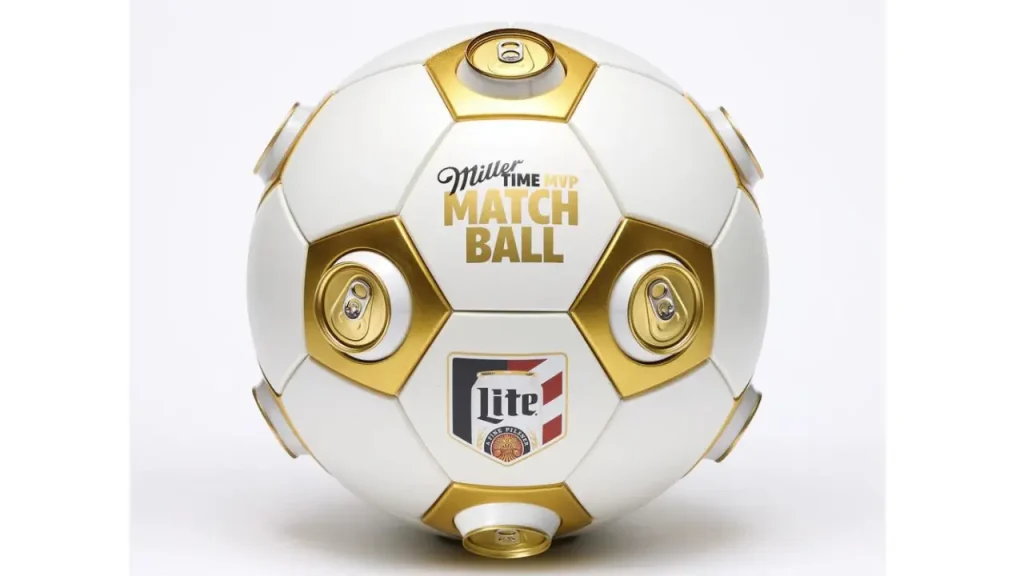
The Miller Lite soccer ball commonly refers to the Miller Time MVP Matchball, a limited collectible released around the 2026 international soccer season. It was designed as a game-day display item rather than normal playing equipment. Its unusual internal space could hold up to 12 Miller Lite cans, and it came with a stand for display.
The product was priced at $19.75, a figure connected with the brand’s launch year. Miller Lite described it as a reloadable watch-party centerpiece, and beer was not included with the item. The official product page also stated that it was intended only for people aged 21 or older. The item became a mix of sports merchandise, brand promotion, and home decoration rather than an object for kicking on a field.
Collectors may value products like this because they connect major sporting events with limited brand campaigns. However, owners should not confuse novelty merchandise with regulated sports equipment. Display products may not have the correct weight, bounce, materials, or strength required for safe training and competitive play.
FIFA World Cup Brackets 2026 Teams, Rounds And Match Path
Soccer Ball Clipart
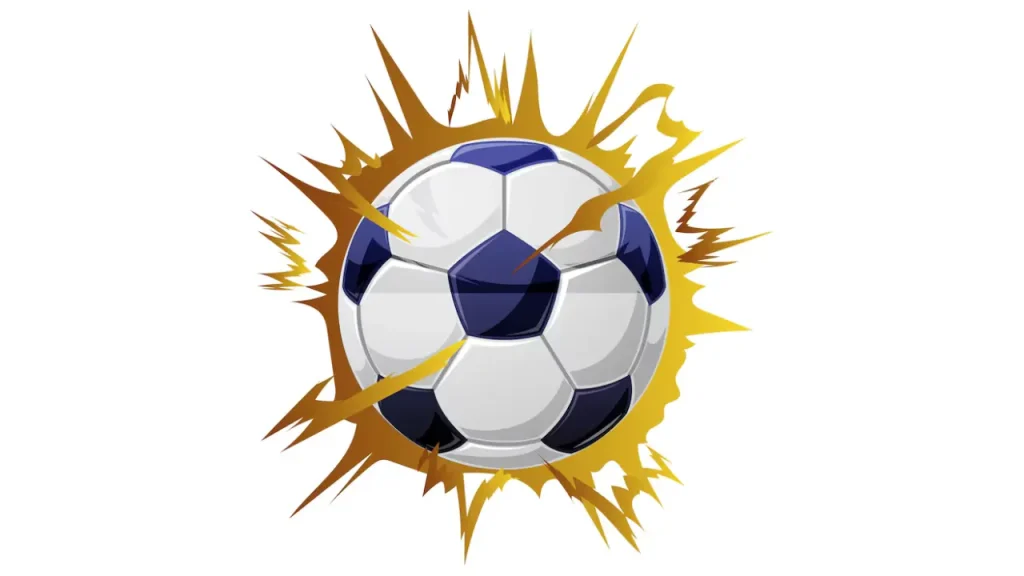
Soccer ball clipart is a digital illustration used in posters, worksheets, websites, invitations, banners, and social media graphics. It may appear as a simple black-and-white icon, colorful cartoon, realistic illustration, or flat vector design. Teachers often use it for sports lessons, while event planners may add it to tournament schedules or birthday invitations.
Vector clipart is useful because designers can enlarge it without losing sharpness. Common vector formats include SVG, EPS, and AI. Raster clipart, such as JPG or PNG, contains pixels and may lose quality when enlarged too much. A transparent background makes the graphic easier to place over colored pages, photographs, or website sections.
Nestlé Soccer Ball Morsels
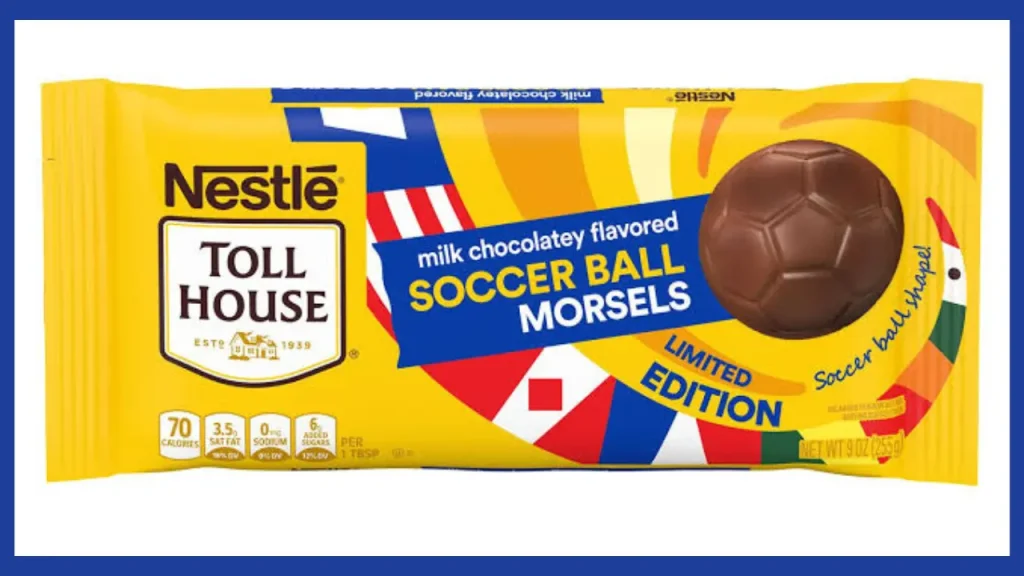
Nestlé soccer ball morsels are small, sports-themed baking pieces sold under the Nestlé Toll House brand. The limited-time product comes in a 9-ounce package and features a chocolatey flavor. The pieces can decorate cookies, brownies, cupcakes, snack mixes, and other match-day treats.
Nestlé states that the morsels are gluten-free and contain no artificial colors or preservatives. However, they contain milk and soy, so buyers should always examine the package when allergies are a concern. The company also recommends keeping the product in a cool, dry place to protect its appearance and quality.
How Gaming Affects the Brain BFNCTutorials Risks, and Overview
Soccer Ball PNG
A soccer ball PNG is an image file that often includes a transparent background. This means users can place the object over a photograph, poster, web banner, or colored background without showing a white box around it. PNG files also support clear edges and strong image quality, making them suitable for online design.
Designers should select a large PNG when preparing printed materials. A small web image may look clear on a phone but become blurry on a large banner. Checking the pixel dimensions before downloading can prevent quality problems. For example, an image measuring 2,000 pixels across offers more editing freedom than a tiny 300-pixel icon.
PNG graphics work well for thumbnails, school projects, team announcements, match schedules, and social posts. However, SVG files are often better when unlimited resizing is required. Choosing the correct format helps preserve a clean and professional appearance.
How to Draw a Soccer Ball
Learning how to draw a soccer ball becomes easier when the artist follows a clear order. First, draw a large circle with a compass or trace around a round object. Use light pencil pressure because several guidelines may need to be erased later. Next, place a small pentagon slightly away from the exact center for a more natural angle.
Draw five shapes around the first pentagon and connect them carefully. Continue the pattern toward the outside, but allow the edge panels to disappear behind the circle. This step creates the impression that the pattern continues around the back. Avoid filling every open area with equal shapes because perspective changes their visible size.
Once the pattern looks balanced, darken selected panels. Add a soft shadow beneath the ball and a small highlight on its upper surface. A few curved lines can suggest movement, while short grass marks can create an outdoor setting. Practice matters more than perfect geometry, especially for beginner artwork.
Soccer Ball Size by Age
Choosing the right size helps young players improve control without placing unnecessary pressure on their feet and legs. Smaller children normally use lighter, smaller models. As players grow, they move toward full-size equipment. However, local clubs and leagues may apply slightly different rules, so parents should confirm requirements before buying.
AYSO guidance uses size 3 for Schoolyard, 6U, and 8U divisions, size 4 for 10U and 12U, and size 5 for older divisions. Different organizations may use slightly different age cutoffs and measurements.
A correctly sized soccer ball allows children to practice passing, first touch, shooting, and dribbling with better form. An oversized model can feel heavy and difficult to control. A model that is too small may not prepare an older player for competitive matches.
| Player Age or Division | Common Size | Approximate Circumference | General Use |
|---|---|---|---|
| Schoolyard, 6U and 8U | Size 3 | 23–25 inches | Early learning and small-sided games |
| 10U and 12U | Size 4 | 25–26.5 inches | Skill development and youth matches |
| 14U and older | Size 5 | 26.5–28 inches | Teen, adult, and full-field play |
Smart Soccer Ball

A smart soccer ball combines normal practice with digital guidance. Depending on the product, a phone camera, printed tracking pattern, embedded sensor, or connected application may follow movement. The system can then record touches, completed drills, accuracy, speed, or practice time.
These models appeal to players who want structured home training. They can make repeated drills feel more like games by offering scores, challenges, progress records, and coaching instructions. However, technology cannot fully replace a qualified coach, team practice, physical fitness, or real match experience.
Buyers should check whether an application subscription is required. They should also review device compatibility, ball size, surface requirements, and included training features. A smart product offers the most value when the player uses it regularly instead of treating it as a one-time gadget.
World Cup Soccer Ball
Every World Cup match ball becomes part of football history. Older designs often become collector’s items because supporters connect them with famous goals, players, and tournament moments. Manufacturers also use the competition to introduce new panel structures, textures, colors, and connected systems.
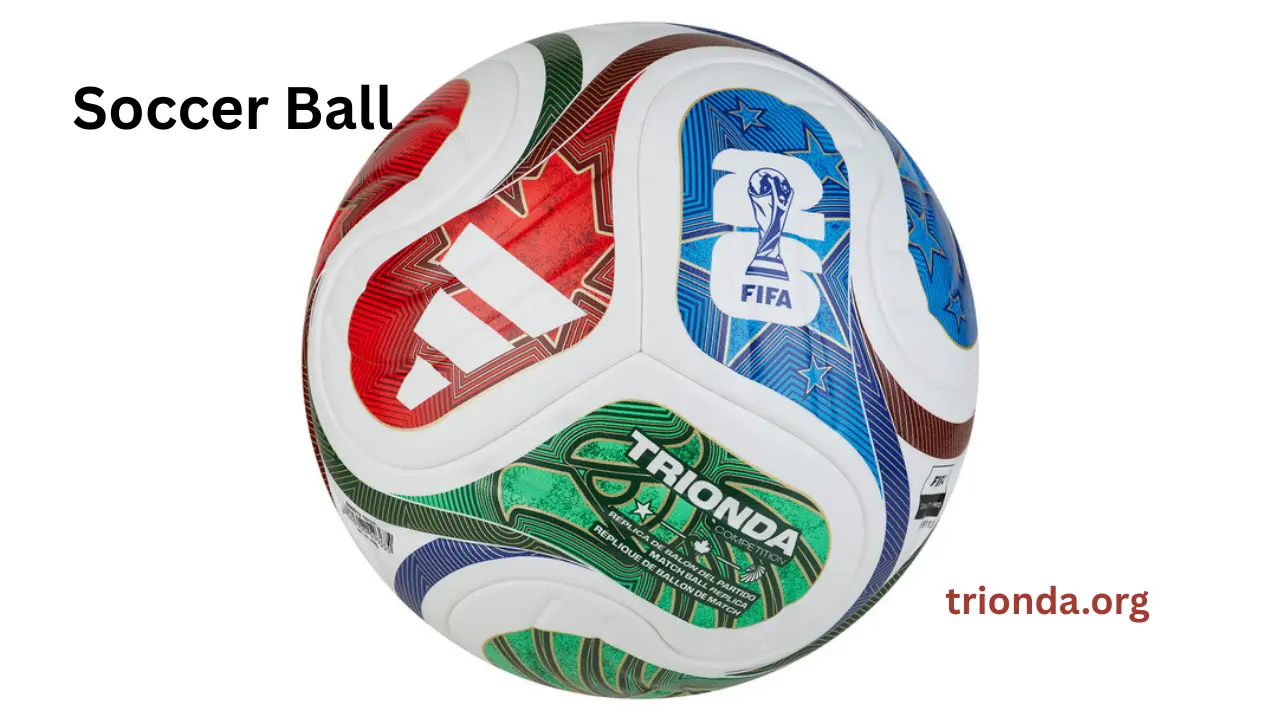
The official match ball for the 2026 FIFA World Cup is called TRIONDA. Its red, green, and blue design represents the three host nations: Canada, Mexico, and the United States. It uses a four-panel structure and includes connected technology that sends movement data to the video assistant referee system.
Adidas also introduced the TRIONDA FINAL for the later tournament stages. This version continues to use connected technology to support match officials with real-time information. Such developments show that the modern soccer ball can support both player performance and important refereeing decisions.
Dribble Up Soccer Ball
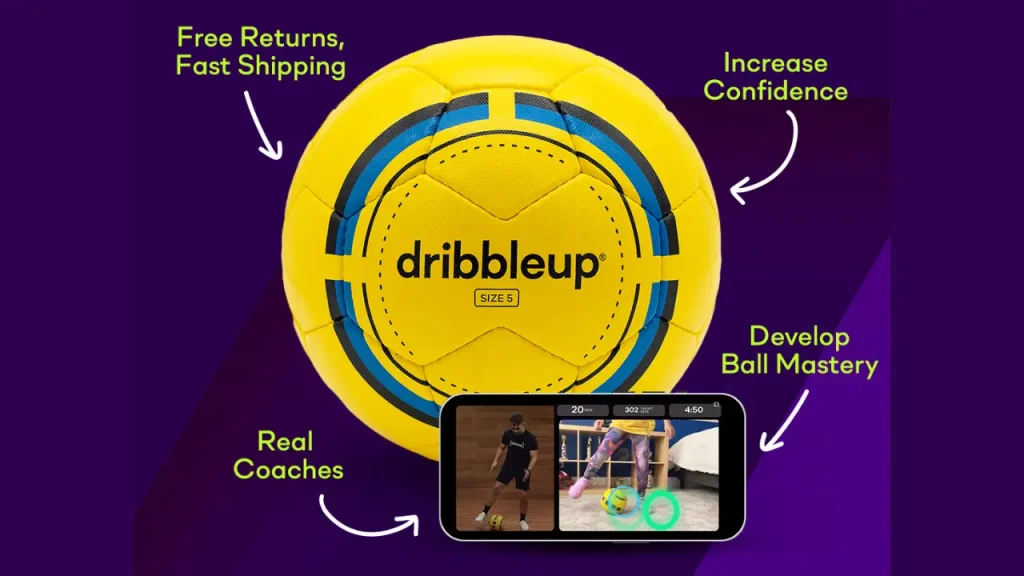
The Dribble Up soccer ball is an app-supported training product designed mainly for guided practice at home. Players use a compatible device to follow lessons, challenges, and skill sessions. The application provides feedback while the user completes movements shown by a digital trainer.
According to the company, its system offers more than 2,000 guided drills and live classes, along with real-time tracking and coaching feedback. It also records completed sessions so players and parents can review practice habits and progress. A separate membership may be required for continued access to some services.
The system can support first-touch work, weak-foot practice, close control, and quick foot movement. Users still need enough open space, safe footwear, and a suitable floor or outdoor surface. Consistent practice will usually offer more value than completing several difficult sessions and then stopping.
Soccer Ball Size 5
Soccer ball size 5 is the standard option used by older teenagers, adults, professional clubs, and international teams. It normally measures about 27 to 28 inches around and weighs between 14 and 16 ounces at the beginning of a match. This size supports full-field passing, shooting, heading, and goalkeeper practice.
Not every size 5 model offers the same performance. Recreational options work well for gardens and casual games. Training models usually have stronger covers for repeated use. Match models focus on consistent flight, soft touch, shape retention, and controlled bounce. Professional-grade products must pass stricter tests before earning official quality marks.
Players should also check air pressure before use. An overinflated model may feel hard and bounce too much, while an underinflated one may move slowly and lose its shape. A pressure gauge provides more reliable results than pressing the surface with a thumb.
How to Choose the Right Ball
Start by considering the player’s age, competition level, and playing surface. A child needs an age-appropriate size, while an adult usually needs size 5. Indoor, futsal, street, grass, and artificial-turf models may use different materials and bounce levels. Selecting a product designed for the correct surface can improve performance and extend its useful life.
Next, inspect the construction. Stitched panels often provide durability, while thermally bonded panels can reduce water absorption and create a smoother surface. A textured cover may improve grip and control in wet conditions. Buyers should also check whether the product carries a recognized quality mark when purchasing equipment for official matches.
Price should not be the only deciding factor. A costly professional model may be unnecessary for a young beginner who practices on rough ground. A durable training soccer ball can provide better long-term value for regular practice.
Care and Maintenance
Proper care helps preserve shape, bounce, and surface quality. Store the ball indoors in a dry place and keep it away from strong heat, direct sunlight, sharp objects, and freezing temperatures. Avoid leaving it inside a hot car because heat may raise internal pressure and weaken bonded areas.
Clean the surface with a damp cloth and mild soap. Do not soak it in water or use harsh chemicals. Remove mud after outdoor sessions and allow the cover to dry naturally. Players should also check the valve and pressure from time to time.
Avoid sitting or standing on the ball because heavy pressure can damage its shape. Use a proper pump needle with a small amount of suitable lubricant. Forcing a dry or damaged needle into the valve may create a slow air leak.
Conclusion
The soccer ball has developed from a basic stitched object into a carefully tested piece of sports equipment. Today, buyers can choose youth sizes, professional match models, smart training systems, digital graphics, collectible products, and even themed baking pieces. Each version serves a different purpose, so users should consider age, surface, quality, and intended use before making a choice.
A size 3 or size 4 model can help young players build confidence, while size 5 supports older and professional competition. Artists can explore clipart, PNG graphics, and drawing methods, while technology-focused players can use connected training tools. No matter how advanced its design becomes, the ball remains at the heart of every pass, save, skill, and goal.