What Are Higossis Brush Made Of Types, Materials And Uses
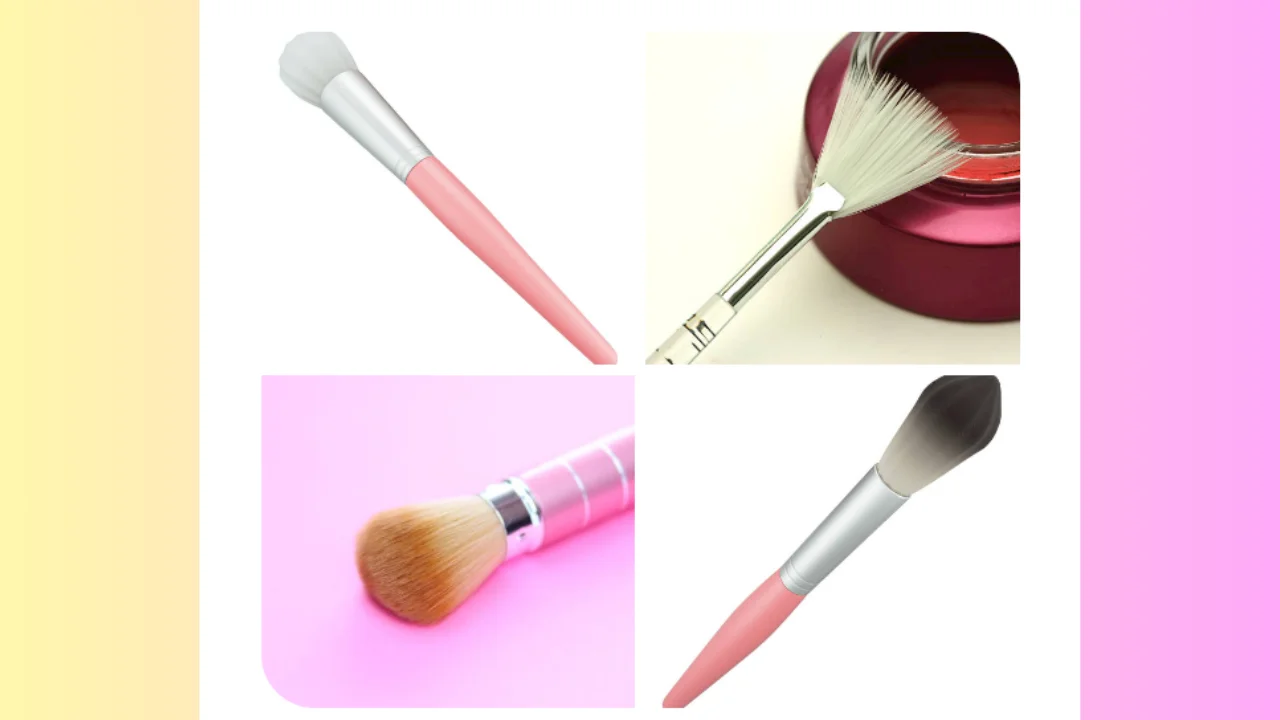
If you’ve recently come across the term and are wondering what are higossis brush made of, you’re not alone. These brushes have gained attention for their durability, versatility, and unique construction. Whether you’re a professional, hobbyist, or simply curious, understanding their materials can help you decide if they’re the right choice for your needs.
The Official 2026 FIFA World Cup Match Ball
What Are Higossis Brush Made Of?
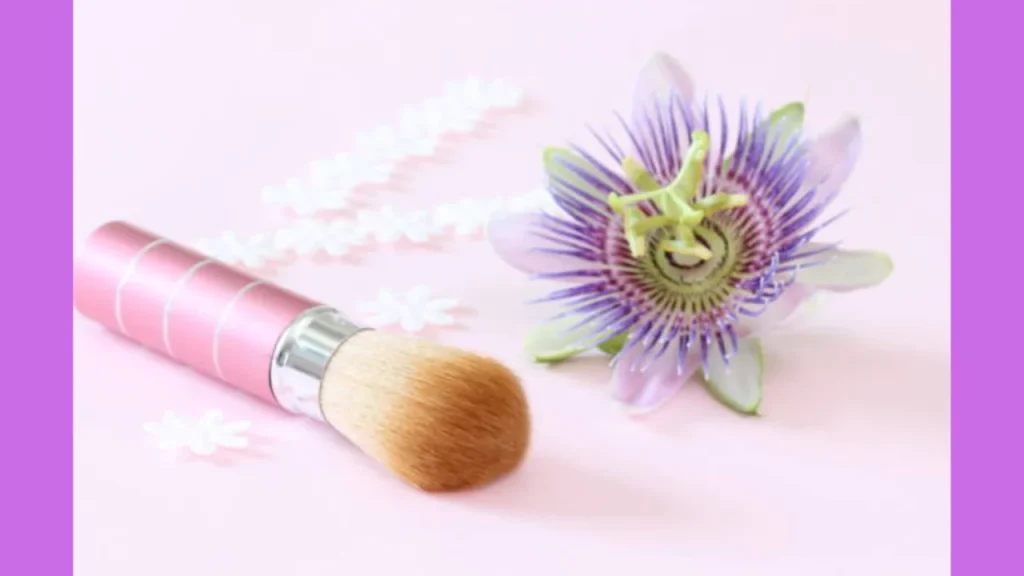
Before diving into what Higossis brushes are made of, it’s important to understand what Higossis brushes actually are. Generally, these brushes are known for their specialized design, often used in grooming, cleaning, or artistic applications, depending on the type.
Their popularity comes from a combination of high-quality materials and thoughtful construction, which ensures efficiency and durability.
World Cup Trophy History, Design, Value, and Meaning
Primary Materials Used in Higossis Brushes
When discussing what a higossis brush is made of, there are typically three main components to consider:
Bristles
The bristles are the most important part of any brush. In Higossis brushes, they are usually made from:
- Synthetic fibers (nylon or polyester): These are durable, flexible, and resistant to moisture.
- Natural hair (boar or horsehair): Often used in premium versions for softer application and better texture control.
- Hybrid blends: A mix of synthetic and natural fibers for balanced performance.
Understanding the bristle composition is key when evaluating what are higossis brush made of, as it directly affects how the brush performs.
Handle
Another essential factor in what a high-quality brush is made of is the handle. Common materials include:
- Wood: Offers a classic feel and strong grip.
- Plastic or ABS resin: Lightweight, affordable, and resistant to wear.
- Metal (aluminum or stainless steel): Provides durability and a modern look.
The choice of handle material influences comfort, weight, and longevity.
Ferrule or Base
The ferrule (the part that connects the bristles to the handle) is often overlooked but plays a critical role when considering what a high-quality brush is made of.
Typical materials include:
- Aluminum: Lightweight and rust-resistant.
- Brass: Strong and corrosion-resistant.
- Plastic composites: Cost-effective and durable.
A well-made ferrule ensures that the brush holds together even with frequent use.
How To Get FIFA World Cup Tickets 2026
Why Materials Matter
Knowing what higossis brushes are made of is not just about curiosity—it directly impacts performance.
Durability
Brushes made with high-quality synthetic fibers and sturdy handles tend to last longer. If you’re investing in a tool for regular use, understanding what higossis brushes are made of helps ensure you’re choosing a durable option.
Performance
- Soft natural bristles are ideal for gentle applications.
- Firm synthetic bristles work better for cleaning or precision tasks.
This is why understanding what higossis brushes are made of can help you select the right brush for your specific purpose.
Maintenance
Different materials require different care:
- Natural bristles need gentle cleaning and drying.
- Synthetic bristles are easier to maintain and more resistant to chemicals.
Again, knowing what higossis brushes are made of helps you maintain your brush properly and extend its lifespan.
Eco-Friendliness and Sustainability
Another growing concern when discussing what high-end brushes are made of is environmental impact.
- Natural materials like wood and animal hair are biodegradable but may raise ethical concerns.
- Synthetic materials are long-lasting but less eco-friendly.
Some modern Higossis brushes aim to balance sustainability by using recycled plastics or ethically sourced natural fibers.
How to Choose the Right Higossis Brush
Now that you understand what higossis brushes are made of, here are a few tips to help you choose the right one:
Consider Your Purpose
- For grooming: Look for soft, natural, or blended bristles.
- For cleaning: Choose firm synthetic fibers.
- For artistic use: Select brushes with fine, flexible tips.
Check Build Quality
Pay attention to how the materials are assembled. A strong ferrule and securely attached bristles indicate a well-made brush.
Evaluate Comfort
The handle material should feel comfortable in your hand, especially if you’ll be using the brush for extended periods.
Common Misconceptions
There are a few myths surrounding what higossis brushes are made of:
- “All Higossis brushes use natural hair.”
Not true—many use high-quality synthetic fibers. - “Synthetic brushes are lower quality.”
Modern synthetics can outperform natural fibers in durability and consistency. - “Material doesn’t matter.”
In reality, materials significantly affect performance, lifespan, and usability.
Final Thoughts
So, what are higossis brushes made of? The answer lies in a thoughtful combination of bristles, handles, and connecting components. These brushes typically use a mix of synthetic fibers, natural hair, wood, plastic, and metal to achieve the desired balance of performance and durability.
Understanding what are higossis brush made of allows you to make informed decisions, whether you’re buying your first brush or upgrading to a higher-quality option. By considering materials, purpose, and maintenance needs, you can choose a brush that delivers excellent results and lasts for years.
In the end, knowing what are higossis brush made of isn’t just about materials—it’s about choosing the right tool for your needs and getting the best possible performance from it.